

Your hot water system rarely fails at a convenient time. It’s usually a cold shower on a winter morning, followed by the question every Sydney homeowner dreads: what is this going to cost me?
This guide gives you straight answers: realistic installed price ranges for gas, electric and heat pump systems in Sydney, and how the current NSW Government rebates can take roughly $900 to $1,350 off the cost of upgrading to a heat pump.
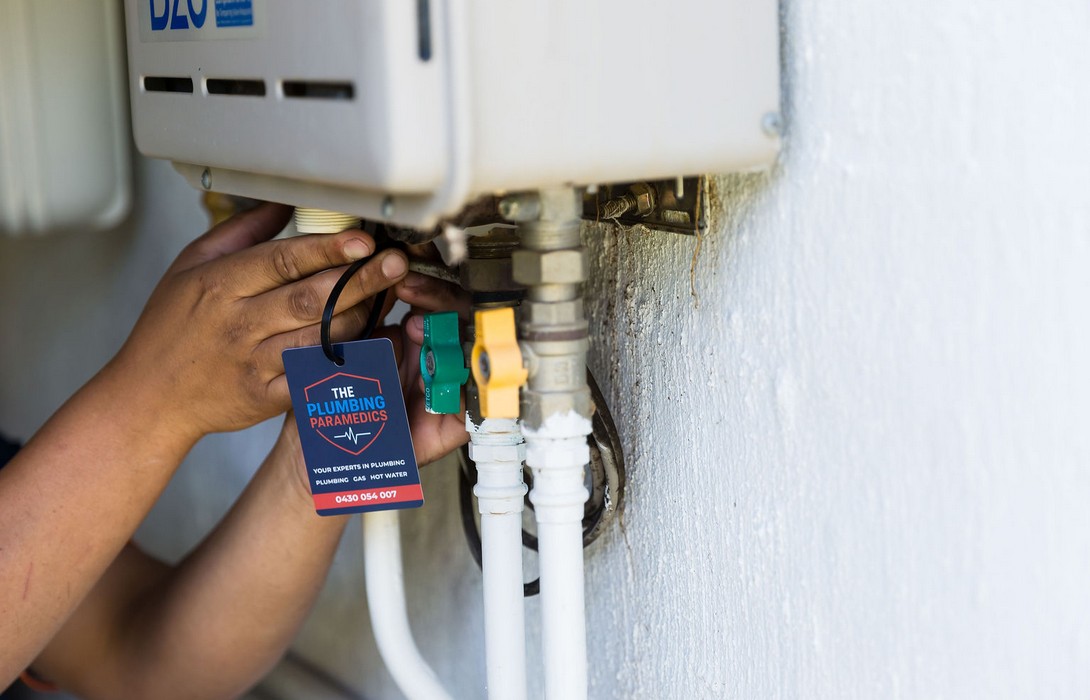
How much does hot water system replacement cost in Sydney?
Installed prices vary with the system type, tank size, access, and whether your existing pipework and valves are up to current standards. As a realistic guide for a like-for-like replacement in the Hills District and North West Sydney:
| System type | Typical installed cost | Best suited to |
|---|---|---|
| Electric storage (250 to 315L) | $1,500 to $2,800 | Budget replacements, homes without gas |
| Gas storage | $1,600 to $3,000 | Homes with existing natural gas |
| Gas continuous flow (instant) | $1,800 to $3,500 | Smaller households, space-saving installs |
| Heat pump (before rebates) | $3,500 to $5,500+ | Long-term running cost savings |
| Heat pump (after rebates) | Often $2,500 to $4,200 | Electric tank swaps, biggest rebate value |
Why the range? Difficult access, relocating the unit, upgrading tempering valves, or replacing corroded pipework all add cost. A reputable plumber will confirm a fixed price on site before starting, which is exactly how we work.
The NSW rebates, explained without the sales spin
If you’re replacing an old electric or gas system with an efficient heat pump, two government incentives can currently be stacked together:
1. Federal STCs (Small-scale Technology Certificates)
Approved heat pump and solar hot water systems earn certificates based on the energy they’re expected to save. Their value is usually deducted straight off your quote. One thing many homeowners don’t realise: the STC scheme is winding down each year until it ends in 2030. A system installed in 2026 earns fewer certificates than the same system installed in 2025, so waiting genuinely costs you money.
2. NSW Hot Water Upgrade Incentive (Energy Savings Scheme)
The NSW Government provides an additional upfront discount when you replace an existing electric or gas water heater with an eligible heat pump or solar system, applied by an accredited provider at the time of installation. Under the current rules there’s a mandatory minimum customer contribution of $220, and eligible heat pumps must carry at least a 5-year warranty on the tank and components.
Watch out for “free” or “$33” hot water offers. The NSW Government tightened the rules in late 2025 specifically to stamp these out, banning unsolicited door-to-door sales and requiring the $220 minimum contribution. If someone offers you a free heat pump in 2026, they’re not operating within the current rules. That’s your cue to hang up.
Is a heat pump actually worth it?
For most Hills District homes replacing an electric storage tank, yes, the numbers work. Heat pumps use a fraction of the electricity of a conventional electric tank, and hot water is typically one of the biggest single items on a household power bill. The combination of stacked rebates and lower running costs means many households recover the extra upfront cost within a few years.
They’re not right for everyone, though. If your home has limited outdoor space, poor ventilation around the unit, or you’re sensitive to low-level compressor noise near a bedroom window, a quality gas system or a modern electric unit may still be the better fit. An honest assessment on site beats a one-size-fits-all sales pitch.
Repair or replace? A quick rule of thumb
If your system is under 8 years old and the fault is a valve, thermostat or element, repair usually makes sense. If the tank itself is leaking, or the system is 10+ years old and failing, replacement is almost always the smarter spend: tanks can’t be patched, and an old system will keep costing you in efficiency and callouts. If you’re not sure what’s wrong, our guide to diagnosing a pilot light that won’t stay lit covers the most common gas system symptoms.

What’s included in a proper replacement
A compliant hot water installation in NSW isn’t just “swap the tank.” A licensed plumber should include: removal and disposal of the old unit, new valves (PTR and tempering valve where required), compliant pipework connections, and for gas systems, testing and a gas compliance certificate. If a quote looks suspiciously cheap, one of these is usually missing.
Frequently Asked Questions
How long does a hot water system replacement take?
A straightforward like-for-like swap usually takes 2 to 4 hours. Changing fuel type (e.g. electric to heat pump, or storage to continuous flow) can take longer if pipework or electrical changes are needed.
Can I claim the NSW rebate myself?
No. The incentive is applied as an upfront discount through an accredited provider, and the paperwork must be signed before installation begins. You can’t claim it retrospectively on work already completed.
How long do hot water systems last?
Typically 8 to 12 years for storage tanks and up to 15 to 20 years for well-maintained continuous flow units. Sydney’s water quality and the system’s location both affect lifespan.
Do you service the Hawkesbury area?
Yes, we service the Hills District, North West Sydney and the Hawkesbury region, 24/7 for emergencies.
Need a hand? Call The Plumbing Paramedics on 0430 054 007.

Our Services
Get A Free Quote
Contact us today for a free, no-obligation quote on your plumbing needs.