A Homeowner’s Guide to Safe and Efficient Gas Installations
When it comes to gas appliances and gas infrastructure in your home, safety is everything. A licensed gas fitter is more than just a tradesperson. They are highly trained professionals who work under strict NSW regulations to ensure gas systems are installed, maintained and repaired safely.
Whether you’re upgrading your kitchen appliances, connecting an outdoor heater, or replacing a gas hot water system, knowing when and why to call a licensed gas fitter could save you from costly repairs, insurance complications, or worse, a serious safety incident.
Understanding the Role of a Licensed Gas Fitter in NSW
Gas fitting is a separate trade license in New South Wales, regulated by NSW Fair Trading. It is illegal to carry out any gas-related work without proper credentials. This includes installing, disconnecting, servicing or relocating any gas appliance or pipeline.
Unlike general plumbing, gas fitting is classified as high-risk due to the potential for fire, explosion or carbon monoxide poisoning. Licensed gas fitters must complete accredited training, maintain ongoing professional development and carry adequate insurance to issue compliance certificates.
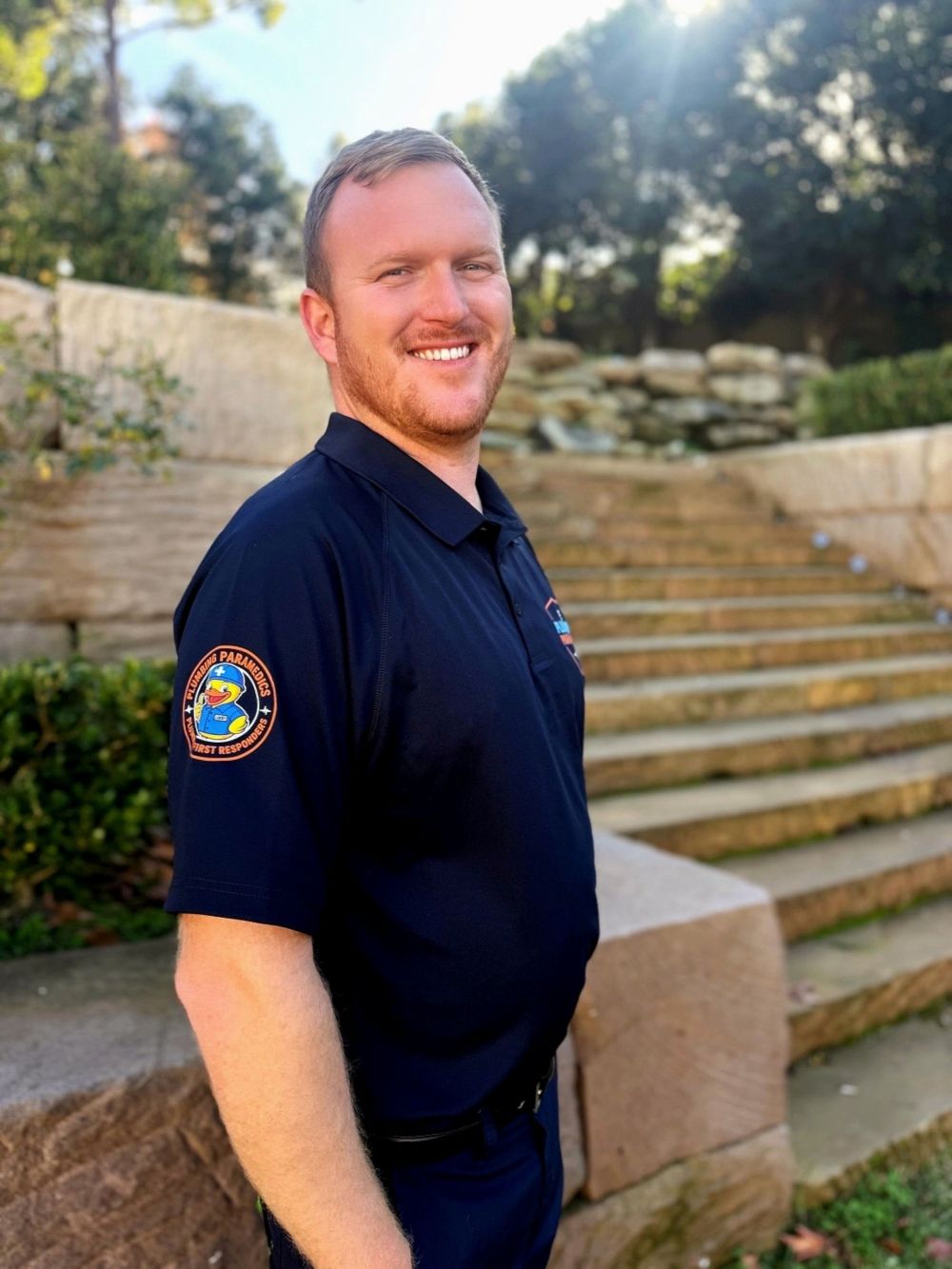
The Plumbing Paramedics carry full licensing and are insured for residential, rural and commercial gas work across the Hills and beyond.
Common Gas Fitting Jobs in Sydney Homes
Most homeowners first encounter a gas fitter when renovating a kitchen or installing a new hot water system. But gas fitting includes a much wider range of services:
- Installing bayonet points for gas heaters or BBQs
- Fitting and commissioning new cooktops and ovens
- Connecting gas pool heaters or spa systems
- Upgrading gas storage or instantaneous water systems
- Installing new gas meter lines or extensions
- Converting appliances from LPG to natural gas
- Replacing corroded or undersized copper gas lines
With more homes in Sydney opting for energy efficient solutions and modern gas appliances, having a trusted gas fitter on hand makes all the difference.
Sydney’s Unique Gas Challenges
Gas fitting in the Hills District and wider Sydney region comes with its own set of challenges. Suburbs like Dural, Kenthurst and Glenhaven often have long-distance service lines or LPG systems where mains gas is not available. Older homes in Castle Hill or Baulkham Hills may have ageing copper pipework, which can be prone to damage or poor flow rates.
Outdoor gas installations are popular in Sydney due to the climate, but they also carry exposure risks. Gas meters and pipes must be shielded from direct sun and physical impact, especially near driveways or under decks.
Our licensed gas fitters are trained to assess and design safe installations that suit Sydney’s mix of suburban, rural and commercial environments.
When Should You Call a Gas Fitter Instead of a Plumber?
Many homeowners are unsure whether to call a plumber or gas fitter. While all gas fitters are plumbers, not all plumbers are licensed gas fitters.
You need a gas fitter when:
- Installing or relocating gas appliances
- Suspecting a gas leak
- Upgrading a hot water system to gas
- Planning an outdoor gas BBQ or heater
- Changing from LPG to natural gas supply
- Needing a gas compliance certificate
Attempting any DIY gas work, including connecting a new heater or modifying pipework, is not only illegal but incredibly dangerous. Leave it to licensed professionals who can ensure the system is safe, sealed and certified.
Gas Compliance Certificates Explained
In New South Wales, any new gas installation or modification must be accompanied by a gas compliance certificate. This legal document confirms that the work was completed to code and by a licensed gas fitter. It is required when selling a home, leasing a property, or completing insurance repairs.
If you hire an unlicensed operator, not only could the work be dangerous, but your insurer may reject future claims. The Plumbing Paramedics issue gas compliance certificates for every relevant job, giving you long-term protection and peace of mind.
What to Do in a Gas Emergency
If you smell gas or suspect a leak:
- Immediately turn off your gas at the meter if safe to do so
- Open windows and doors to ventilate the space
- Do not use electrical switches or open flames
- Evacuate if the smell is strong or widespread
- Call The Plumbing Paramedics for urgent gas repairs
Our team is available 24 hours a day for gas emergencies across Sydney’s Hills District. We use the latest detection tools and carry all required parts to make safe and permanent repairs.
How to Read a Gas Meter (And Why It Matters)
Understanding how to read your gas meter can help you spot problems early and monitor your usage accurately. Gas meters typically show consumption in cubic metres or megajoules. Reading your meter weekly can alert you to unexpected usage spikes, which may indicate a leak or inefficient appliance.
In the case of suspected leaks, turning off all gas appliances and checking whether the meter continues to tick over is a quick home check before you call us. We’ll guide you through meter testing or isolation as part of any diagnostics.
Switching from Electric to Gas Hot Water: What to Expect
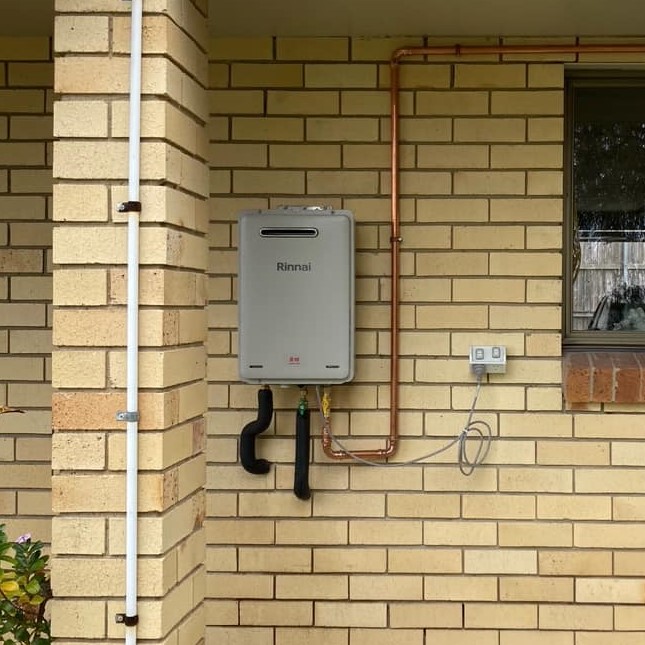
Gas hot water systems often provide faster recovery times, lower long-term running costs, and continuous flow options. If you’re switching from electric to gas hot water, it involves:
- Assessing gas availability or meter upgrades
- Installing gas lines from the meter to the new unit
- Disconnecting and removing your old electric system
- Installing a new instantaneous or storage gas hot water system
- Issuing a compliance certificate and commissioning the unit
We can also supply temporary hot water during the switch, so you’re never left without warm water.
What is a Gas Compliance Certificate?
A gas compliance certificate is a document issued by a licensed gas fitter to verify that any gas-related work has been completed safely and legally. In NSW, it is required for:
- New gas appliance installations
- Modifications to existing gas lines
- Property sales or landlord compliance
- Insurance claims following gas-related incidents
The Plumbing Paramedics provide compliance certificates for every relevant job, ensuring you are legally covered and your insurance remains valid.
How to Choose the Right Gas Fitter in Sydney
When hiring a gas fitter, ask:
- Are they licensed with NSW Fair Trading?
- Do they issue compliance certificates?
- Are they experienced with both LPG and natural gas systems?
- Do they have insurance coverage?
- Can they handle both domestic and commercial installations?
At The Plumbing Paramedics, we answer yes to all of the above. From high-efficiency gas water systems to commercial kitchen fit-outs, our gas plumbers deliver quality, safety and expert guidance every step of the way.
Final Thoughts
Gas is a powerful and efficient energy source, but it must be handled with care. From the smallest cooktop installation to major infrastructure upgrades, working with a licensed gas fitter protects your family, your home and your investment.
Whether you’re planning a renovation, responding to a leak or considering switching to gas, The Plumbing Paramedics are your trusted team for compliant, safe and efficient gas fitting across Sydney’s Hills District.
Frequently Asked Questions
What Work Can Only A Licensed Gas Fitter Do In Sydney?
Under NSW gas safety legislation, only a licensed gas fitter can install, replace, modify, repair, or service any gas appliance or gas line. That includes gas hot water systems, gas cooktops and ovens, gas heaters, gas bayonet outlets, and any work on gas supply lines from the meter into the property. Even disconnecting a gas appliance for removal requires a licensed gas fitter — homeowners cannot legally do this work.
Can A Plumber Do Gas Work In NSW?
Only if they hold a separate gas fitting licence. Plumbing and gas fitting are different licences under NSW Fair Trading. Many residential plumbers — including The Plumbing Paramedics — hold both qualifications, which means we can handle plumbing and gas work in one visit. Ask any plumber for their gas licence number specifically if gas work is involved.
How Do I Check If A Gas Fitter Is Properly Licensed?
Search the NSW Fair Trading public register at fairtrading.nsw.gov.au — type in the company name or individual gas fitter’s name to confirm their licence is current and not subject to disciplinary action. Takes 30 seconds. Anyone hesitating to provide a licence number or pushing back when asked is a red flag. Our licence numbers are visible on every quote and invoice.
How Much Does A Gas Fitter Cost In Sydney?
Standard call-out fee from $150. Hot water unit installation: from $850 plus unit cost. Gas cooktop install: from $450 plus connection cost. Gas leak diagnosis and repair: from $250. Compliance certificate (always required after gas work): included in our pricing. We give fixed-price quotes after seeing the job — no estimates that move once the work starts.
What Happens If Unlicensed Gas Work Is Done?
Unlicensed gas work voids home insurance, creates immediate safety and fire risk, and is a criminal offence under NSW gas legislation with fines into the tens of thousands. If a property is sold and unlicensed gas work is later discovered, the seller can be liable for repairs and damages. Worse, gas leaks from poor installations are a leading cause of residential fires and CO poisoning. Always insist on the gas compliance certificate after any work.
Do I Need A Compliance Certificate After Gas Work?
Yes — NSW law requires a gas compliance certificate (sometimes called a Certificate of Compliance) to be issued by the gas fitter for any gas work, even small repairs. The certificate confirms the work meets AS/NZS 5601 standards. Keep this certificate with your property records — you’ll need it for insurance claims, home sales, and any future work on the same gas system.
What’s The Difference Between A Type A And Type B Gas Appliance?
Type A appliances are domestic — cooktops, hot water units, space heaters, ovens for normal home use. Type B appliances are commercial or industrial — restaurant kitchen equipment, commercial boilers, large gas-powered industrial gear. Type A work needs a standard gas fitter’s licence. Type B work requires additional specialist endorsements. The Plumbing Paramedics handle all Type A residential and small commercial work across the Hills District.

Our Services
Get A Free Quote
Contact us today for a free, no-obligation quote on your plumbing needs.