
Repair makes sense when your hot water system is under about 8 years old, the fault is a single part (thermostat, element, valve, or thermocouple), and the tank itself isn’t leaking. Replace when the unit is past 10-12 years, the tank is rusting or weeping, or the repair cost is creeping toward half the price of a new system. Across the Hills District, that’s the line we work to.
Here’s how to tell which side of it you’re on.
How old is your hot water system?
Age is the first thing we check, because it tells us more than the symptom does. Most storage hot water systems in Sydney last around 8 to 12 years. Electric and gas storage tanks sit in that range; continuous flow (instantaneous) gas units often run a bit longer with servicing.
If your system is under 8 years old and one part has failed, repair is almost always the right call. If it’s past 10 to 12 years, you’re spending money on a unit that’s on its last legs, and the next fault is usually around the corner.
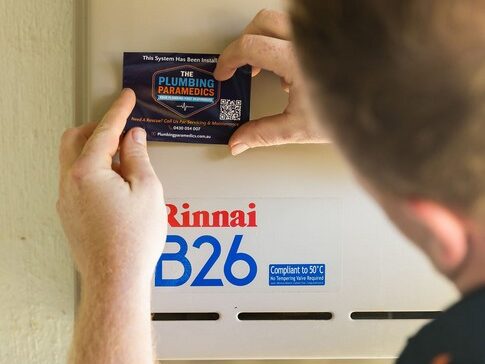
Check the compliance plate or sticker on the side of the unit for an install date. If you can’t find it, we can date most systems from the model number when we’re on site.
What’s actually broken?
The fault matters as much as the age. Some failures are a cheap fix; others are the tank telling you it’s done.
Repairs that are usually worth doing
A heating element or thermostat on an electric system is a common, straightforward repair. On a gas storage or continuous flow unit, a failed thermocouple, pilot assembly, or igniter is also fixable. A leaking tempering valve or pressure relief valve (the small valve that drips into a drain line) is a part swap, not a new system.
These are the jobs where repair clearly wins, the tank is sound, and we’re replacing a component that’s done its time.
When it’s the tank, replace
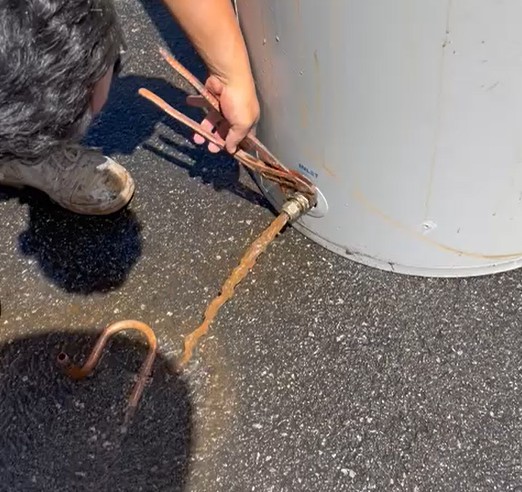
If the tank itself is leaking, rusting at the seams, or water is pooling around the base with no loose fitting to blame, that’s corrosion from the inside out. You can’t repair a rusted-through tank. Once the steel goes, the only fix is a new unit.
A failed sacrificial anode can sometimes be replaced to buy a tank a few more years, but only if it’s caught before the corrosion sets in. By the time the tank is weeping, that window has closed.
What does the repair cost compared to a new system?
Use the half-rule: if a repair is heading toward roughly half the cost of a replacement, replacement is usually the smarter spend, especially on an older unit. Sinking $700 into a 13-year-old tank that fails again in eight months isn’t a saving.
We don’t publish fixed prices, because the cost depends on the system type, the part, and the access. A simple element swap on an accessible electric unit is at the lower end. A full replacement, particularly gas, solar, or a heat pump with new connections, sits much higher. We’ll give you a free quote with both options where both are realistic, so you can see the numbers side by side before you decide.
You can read more about the systems we install and service on our hot water services page.
Does the system type change the decision?
Yes. The economics aren’t the same across the four common types.
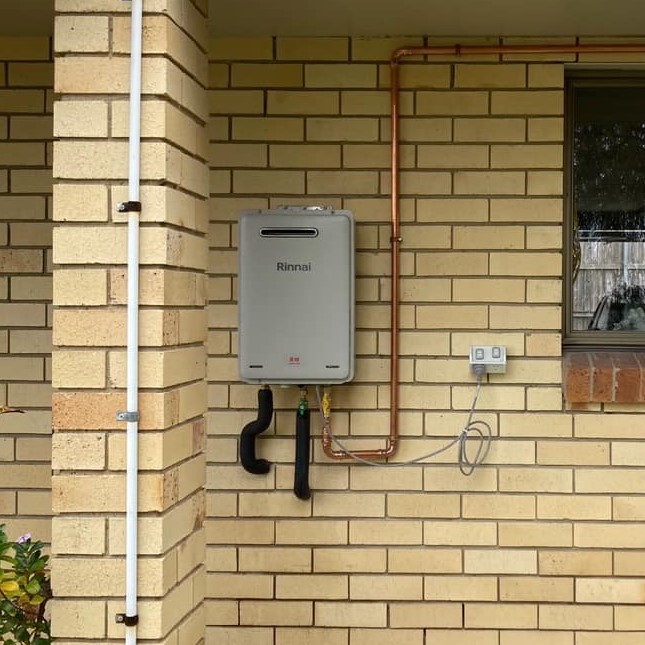
Electric storage is the cheapest to replace, so the repair-vs-replace line tips toward replacement sooner. Gas storage and continuous flow units are more involved, see our gas hot water page, and a good continuous flow unit is often worth repairing further into its life. Solar and heat pump systems cost the most upfront, so a component repair on a healthy unit almost always beats replacing the whole thing.
One hard rule applies to all of them: hot water installation and replacement in NSW must be done by a licensed plumber, and any gas work must be done by a licensed gas fitter. That’s the law, not a recommendation. We hold both NSW Fair Trading licences in-house.
When should you just replace it now?
There are a few cases where we’ll tell you straight that replacement is the better money.
The tank is leaking. The unit is over 12 years old and has already needed one repair. You’re getting rusty or discoloured hot water. The system can’t keep up with the household anymore, cold showers by the second or third person. Or the repair quote is more than half a new unit on a system that’s well into its years.
If you’re upgrading anyway, it’s also the moment to weigh a more efficient system. We cover that decision in detail when we quote.
Frequently Asked Questions
How long does a hot water system last in Sydney?
Most storage hot water systems last around 8 to 12 years in Sydney homes, whether electric or gas. Continuous flow (instantaneous) gas units often run a little longer with regular servicing. Water quality, how hard the system works, and whether the sacrificial anode has been replaced all affect the real lifespan. Once a unit passes 10 years, faults become more frequent and replacement usually makes better financial sense than repeated repairs. If you’re not sure how old yours is, check the compliance plate on the side of the tank for an install date, or we can date it from the model number when we’re on site. Knowing the age is the single most useful thing before deciding whether to repair or replace.
Is it worth repairing a 10-year-old hot water system?
Sometimes, but only if the fault is a single part and the tank itself is sound. A thermostat, element, thermocouple, or pressure relief valve on a 10-year-old unit can be a reasonable repair if the tank shows no rust or leaks. What’s usually not worth it is sinking a large repair bill into a tank that’s corroding, because the next failure tends to follow within a year. As a guide, if the repair cost climbs toward half the price of a new system on a unit this age, replacement is the smarter spend. We’ll quote the repair and the replacement side by side where both are realistic, so you can see the actual numbers rather than guess. The decision is easier when you’re looking at both figures.
What are the signs my hot water system needs replacing?
The clearest sign is water pooling or leaking from the tank itself, which means the steel has corroded and can’t be repaired. Other signs are rusty or discoloured hot water, the system no longer keeping up with the household, banging or rumbling noises from the tank, and the unit being over 12 years old with a fault. A single failed part on a younger, sound tank usually points to repair, not replacement. If you’re seeing several of these together, age plus leaks plus poor performance, it’s almost always cheaper to replace than to keep patching. We can confirm which it is on site and give you a free quote either way. There’s no charge to find out where you stand.
Can I replace my own hot water system?
No. In NSW, hot water system installation and replacement must be carried out by a licensed plumber, and any gas connection work must be done by a licensed gas fitter. This isn’t optional, it’s the law, and DIY hot water installation can void your home insurance and the manufacturer’s warranty, as well as creating real safety risks with gas, scalding water, and pressure. Tempering valves, pressure relief valves, and the connections all have to meet plumbing standards to be compliant. What you can safely do yourself is check the age on the compliance plate and look for leaks around the base before you call. We hold NSW Fair Trading plumbing and gas fitting licences, so we handle the whole job, water and gas, under the one roof.
How much does it cost to replace a hot water system?
We don’t publish fixed prices, because the cost depends heavily on the system type and the install. Electric storage is the most affordable to replace; gas, solar, and heat pump systems cost more upfront but can lower running costs over time. The final price is driven by the unit you choose, whether it’s a like-for-like swap or a changeover to a different system type, the location (internal vs external, access for the install), and any new water or gas connections needed. The fairest way to get a real number is a free quote on your specific setup, we’ll look at what you’ve got and what you want, then give you a fixed figure with no surprises. Guessing a price online rarely matches the job in front of us.
How long does it take to replace a hot water system?
A straightforward like-for-like replacement is usually a same-day job, often a few hours, once we’re on site with the right unit. It takes longer if we’re changing system types, for example, electric to gas, or storage to continuous flow, because that can mean new connections, a different location, or a gas line. Access matters too: a unit tucked into a tight cavity or up a flight of stairs takes more time than one sitting in an open external spot. If you’ve got no hot water now, we’ll always tell you the realistic timeframe before we start, and we carry common systems so we can often replace same-day rather than leave you waiting. Emergencies, we move fast.
Need a straight answer on yours?
If your hot water’s playing up, the quickest path is to let us look at it. We’ll tell you honestly whether it’s a repair or a replacement, quote both where it’s a genuine choice, and we hold the NSW plumbing and gas licences to do the whole job ourselves.
Call The Plumbing Paramedics on 0430 054 007 for a free quote, or see our hot water services and electric hot water options.

Our Services
Get A Free Quote
Contact us today for a free, no-obligation quote on your plumbing needs.