
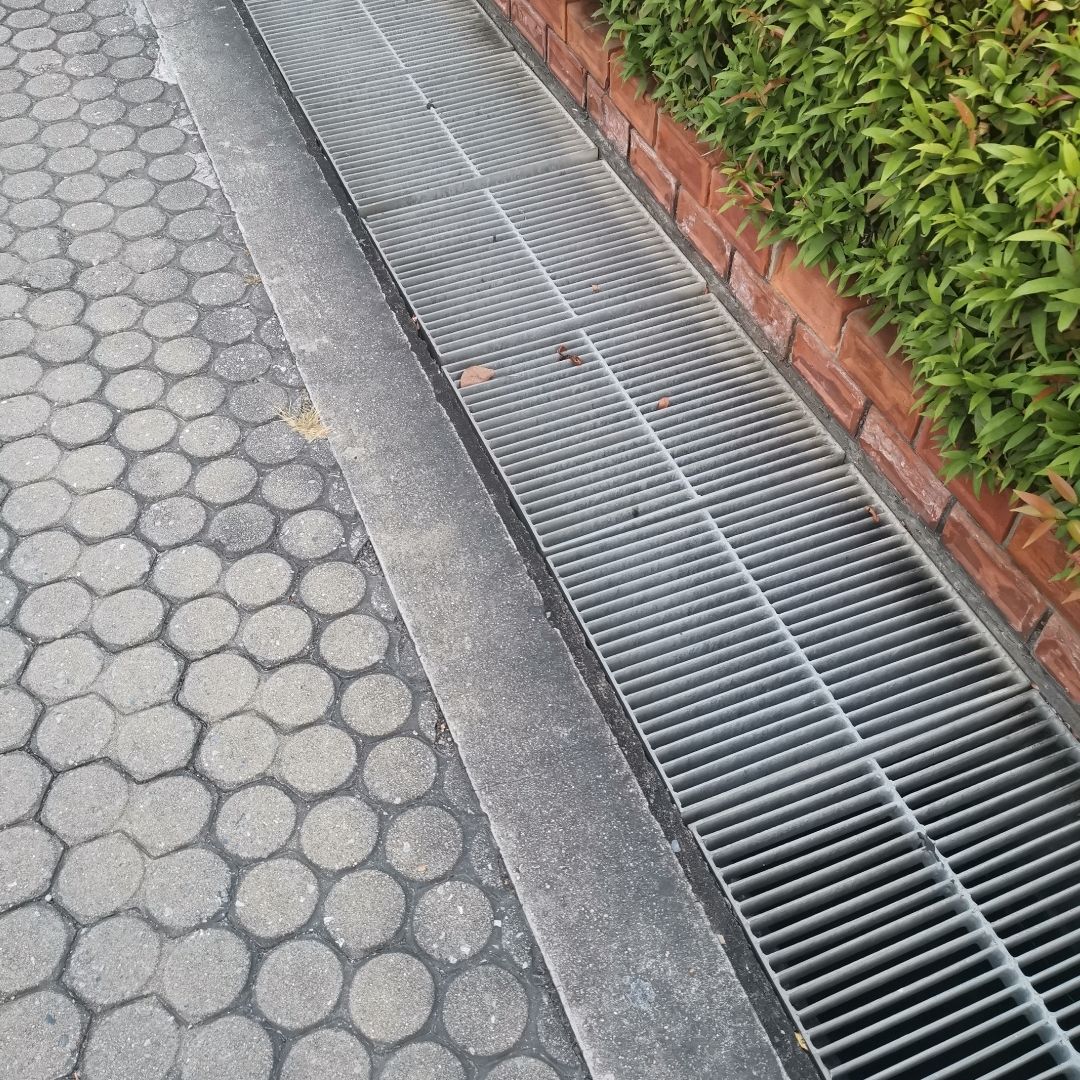
Protect Your Home From Stormwater Runoff
Managing stormwater on a sloping block is no small feat, especially in the Hills District where heavy rainfall and elevation changes turn driveways into fast-flowing rivers. Without proper drainage, water can flood garages, undermine paving, or damage landscaping.
At The Plumbing Paramedics, we specialise in diagnosing tricky terrain and delivering custom drainage solutions that keep your driveway (and home) dry, no matter how wild the weather gets.
Why Sloping Driveways Are High Risk
In elevated suburbs like Castle Hill, Dural, or Glenhaven, the combination of impermeable driveways and steep gradients creates the perfect recipe for water runoff. And when that stormwater isn’t redirected properly, it finds its way into your garage, under your slab, or around your home’s footings.
This is where driveway drainage systems come in. From simple trench drains to full-scope landscape grading, we install solutions that blend with your hardscaping while handling intense water flow.
Trouble with water run-off? Let The Plumbing Paramedics sort it properly.
What Stops Water Running Down a Driveway?
1. Trench Drains
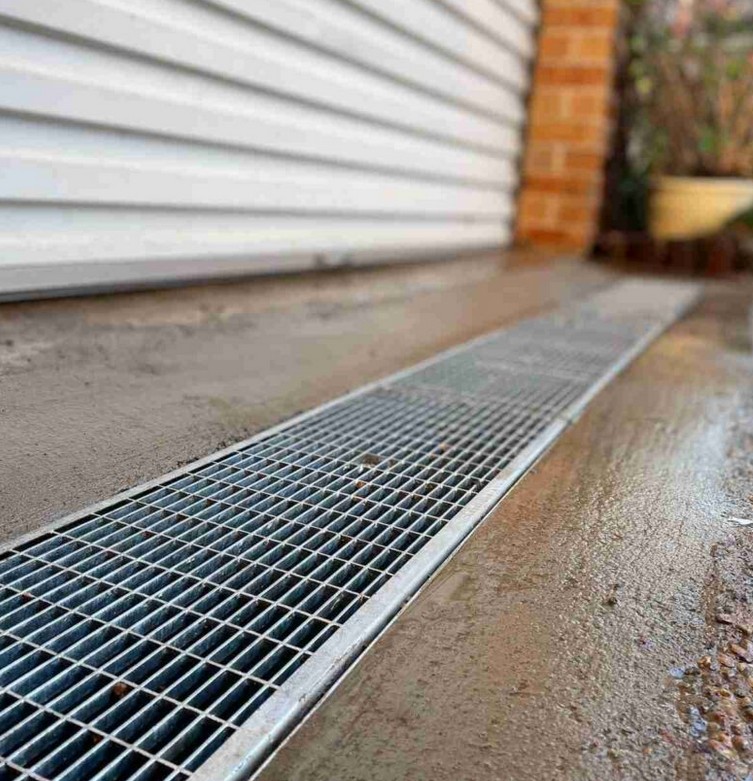
Installed across the width of a driveway, trench drains intercept flowing water and redirect it to your stormwater system before it reaches your garage.
2. Linear Drains
Perfect along the sides of concrete or paved driveways, linear strip drains prevent pooling and edge erosion.
3. Spoon Drains
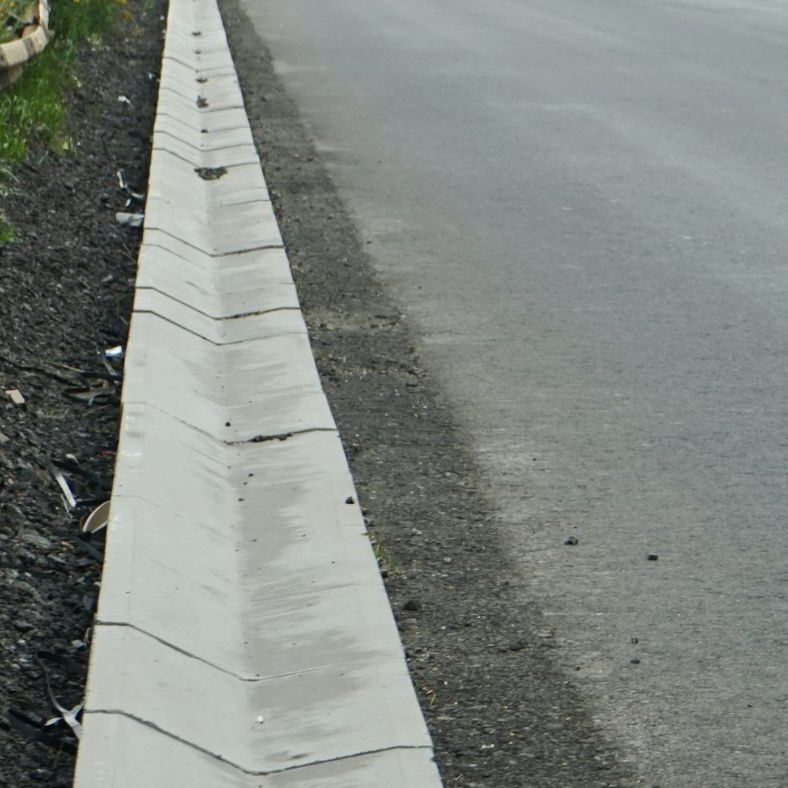
Built into concrete surfaces, these shallow channels are ideal for wide or shared driveways with heavy runoff.
4. French Drains
Discreet and subsurface, French drains capture and redirect water underground, great for landscaped properties or where aesthetics matter.
5. Swale Drains
Grassed or landscaped channels slow water naturally, filter out pollutants and direct it safely away, an excellent eco-friendly option for larger blocks and acreage properties.
We Tailor Drainage To Your Site
Before digging a trench or installing a pit, we inspect your:
- Slope and elevation
- Soil type and absorption
- Rainfall patterns in your suburb
- Existing downpipes and stormwater outlets
- Driveway materials and finish
We then match these findings with a solution that won’t just work, it’ll last.
Smart Drainage = Fewer Repairs
Driveway flooding doesn’t just damage floors and walls. It encourages:
- Concrete and paver movement from undermining
- Garage mould growth and staining
- Termite and insect attraction
- Insurance headaches if drainage was insufficient or non-compliant
That’s why our drainage installs focus on code compliance, function, and form: so it all works and looks good doing it.
When It’s More Than Just Surface Water
At The Plumbing Paramedics, we handle everything underground too. That includes:
- Trenching for new stormwater lines
- CCTV camera inspections
- Jetting and clearing existing drains
- Pipe relining where tree roots or collapses have damaged the system
We’re not just trying to treat the symptom, we go after the cause.
Why Choose The Plumbing Paramedics?
We know the Hills District terrain. From the sloping blocks of Baulkham Hills to the bushy hills of Kenthurst, we’ve seen (and fixed) every driveway drainage challenge imaginable. You can count on us for:
- Fast, friendly emergency service
- Expert stormwater diagnosis
- Smart, compliant drainage installations
- Solutions that actually work with your land
FAQs For Sloping Driveway Drainage
What’s the best drainage for a steep driveway?
Trench or spoon drains positioned across the driveway are often the most effective at intercepting fast-flowing water before it reaches your garage.
Can you install drains into existing concrete driveways?
Yes, we can core-cut and retrofit trench or linear strip drains into existing driveways without needing full concrete replacement.
Are these drains easy to clean?
Most driveway drains are low-maintenance. We recommend clearing debris seasonally and checking before storm season. Some designs allow for easy hose flushes or grates that lift out.
Is this work covered by insurance?
Insurance may cover damage caused by flooding, but not necessarily the cost of improving or installing drainage. Preventative work is often an out-of-pocket investment.
What if my backyard floods too?
We can integrate your driveway drainage with a full stormwater management system, including French drains, pits, grates and garden-friendly swales.
Do you work with landscapers or builders?
Absolutely. We regularly coordinate with landscapers and concreters to integrate drainage systems into new builds or garden renovations.
Trouble with water run-off? Let The Plumbing Paramedics sort it properly.
Frequently Asked Questions
What’s The Best Drainage Solution For A Sloping Driveway?
For most sloping Sydney driveways, a trench drain (also called a channel drain) installed across the lowest point is the most effective fix. It catches water before it reaches the garage door or low point of the property. For longer or steeper driveways, you may need two trench drains plus a perimeter french drain along the sides to manage groundwater seeping in laterally.
How Much Does Driveway Drainage Installation Cost In Sydney?
Standard trench drain (concrete-cut, 3 to 5 metres across a typical residential driveway): from $1,800 installed including connection to stormwater. Longer drains or those requiring excavation through reinforced concrete: from $3,500. French drains along driveway edges: from $2,500. Honest pricing, we quote per job after seeing the slope, surface type, and stormwater connection options.
Can I Install A Trench Drain Myself?
The drain channel itself can be assembled DIY, but connecting it to the stormwater system requires a licensed plumber in NSW under the Plumbing Code. Concrete cutting also requires the right equipment and council approval if the cut is in a public footpath area. Most homeowners DIY-attempt the trench but call a plumber for the stormwater connection, by which point you’ve already done the hard yards.
How Long Does Driveway Drainage Installation Take?
Standard trench drain for a residential driveway: 1 to 2 days on site. The first day is concrete cutting, trenching, and laying the drain channel. The second day is concrete reinstatement, connecting to stormwater, and clean-up. Driveway is usable again 48 hours after the concrete cure (varies by mix and weather).
Do I Need Council Approval For Driveway Drainage Work?
For work entirely on your private property connecting to your existing stormwater, no, but the work itself must be permit-compliant under the NSW Plumbing Code. If the drainage discharges into the council stormwater system at the kerb or includes any work in the footpath area, you need council approval. The Plumbing Paramedics handle all permit submissions as part of the job.
Will Driveway Drainage Stop Water Entering My Garage?
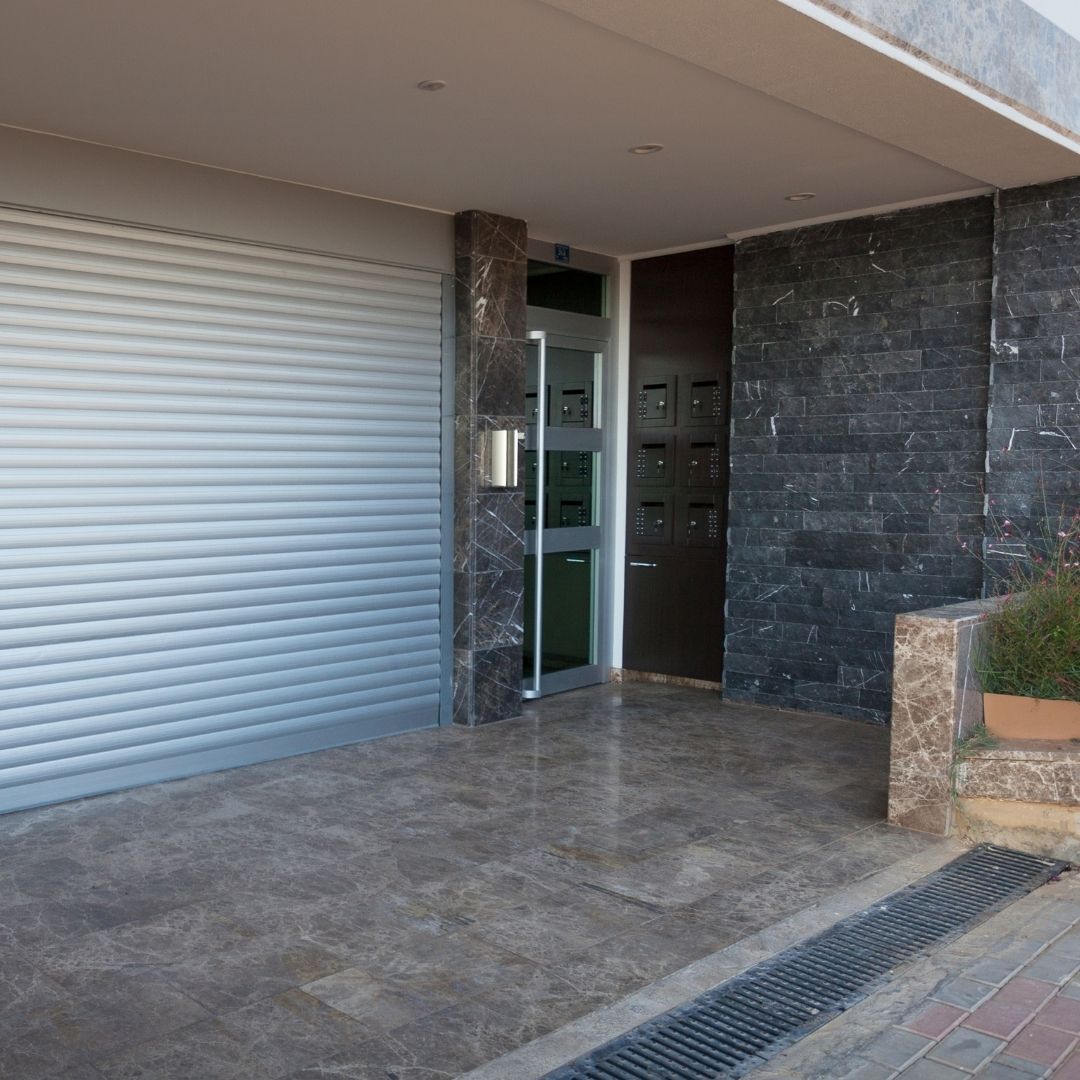
Yes if installed correctly. A well-positioned trench drain across the driveway just before the garage door catches surface water before it reaches the garage. If water is also entering from groundwater seepage through walls, that’s a separate waterproofing issue and needs a different fix (perimeter french drain or wall waterproofing). We assess both causes before recommending the solution.


Our Services
Get A Free Quote
Contact us today for a free, no-obligation quote on your plumbing needs.