
A guide by The Plumbing Paramedics
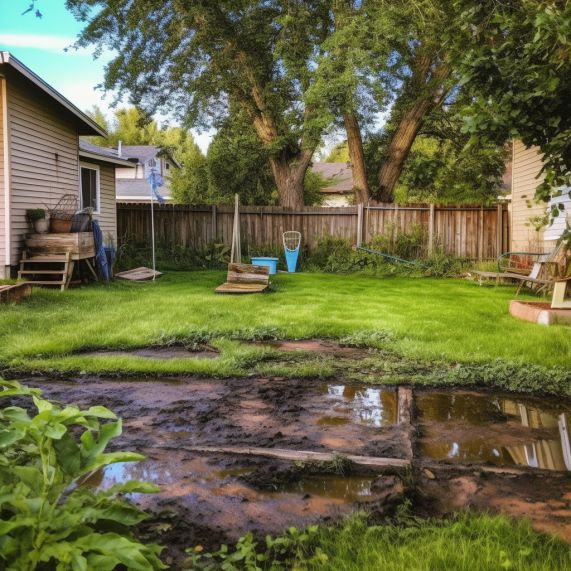
Rain should soak into your soil and disappear. But in parts of Sydney—especially in areas with heavy clay, flat lawns or poorly designed runoff paths, it doesn’t. Instead, it pools and turns your garden into a boggy mess that never dries out.
That’s where we come in.
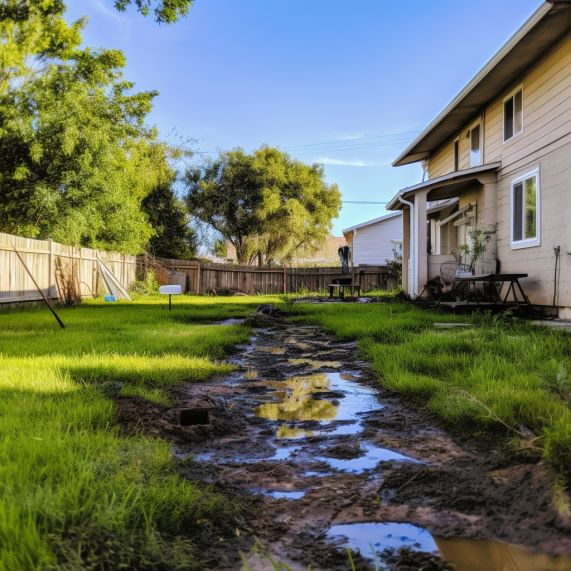
At The Plumbing Paramedics, we’ve seen everything from flooded patios to rising damp caused by badly drained backyards. If your lawn turns into a swamp after rain or your side paths bubble like a creek, chances are your yard drainage needs professional help.
Why Is My Lawn Always Muddy and Wet?
The ground should be your first sponge. But many Sydney backyards are either too flat or too compacted to allow water to drain properly. Add clay-heavy soils (which don’t absorb water quickly), or garden beds that act as dams, and you’ve got a setup for flooding.
Then there’s the roof water. Every litre that comes out of your downpipes needs somewhere to go. If it’s discharging straight into your grass or garden beds—especially near your slab—it doesn’t take long for your lawn to give up trying to absorb it.
The Hidden Problems Poor Drainage Causes
Some issues are obvious—like puddles and muddy shoes. Others take longer to show up, and by the time they do, they’re expensive.
- Water pooling near your house slab can lead to slab heave, cracking or movement.
- Persistent wet zones attract termites, mosquitoes, mould and fungus.
- Excess surface water can spill over into your neighbour’s yard, which can land you in trouble with council.
- If you’ve just landscaped your yard, waterlogging can rot roots, kill turf and destroy your investment.
Best Practices for Stormwater Drainage
Addressing a boggy garden or muddy lawns, involves not just cosmetic changes but also adherence to these stormwater management principles. Here are several solutions based on Sydney’s regulations:
- Install a Proper Drainage System: A properly designed drainage system is critical to managing excess water. This could include French drains, which are gravel-filled trenches with a perforated pipe that redirects surface and groundwater away from your lawn.
- Connect Downpipes to Stormwater Drains: Sydney regulations mandate that rainwater from downpipes should be directed into an appropriate stormwater drain or a rainwater tank rather than letting it spill into the lawn. This practice not only prevents pooling water but also reduces the burden on the municipal drainage system.
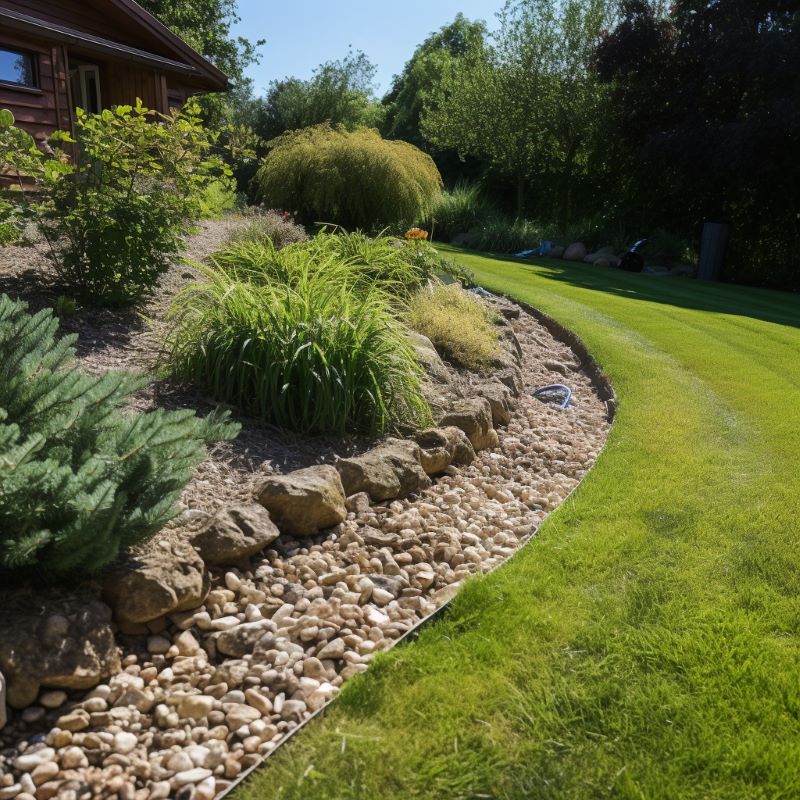
- Use Permeable Landscaping Materials: Regulations around water-sensitive urban design (WSUD) encourage the use of permeable surfaces that allow water to infiltrate naturally. Consider using gravel pathways, permeable pavers, or rain gardens, which absorb water and reduce runoff. This method not only helps manage water but also supports groundwater recharge.
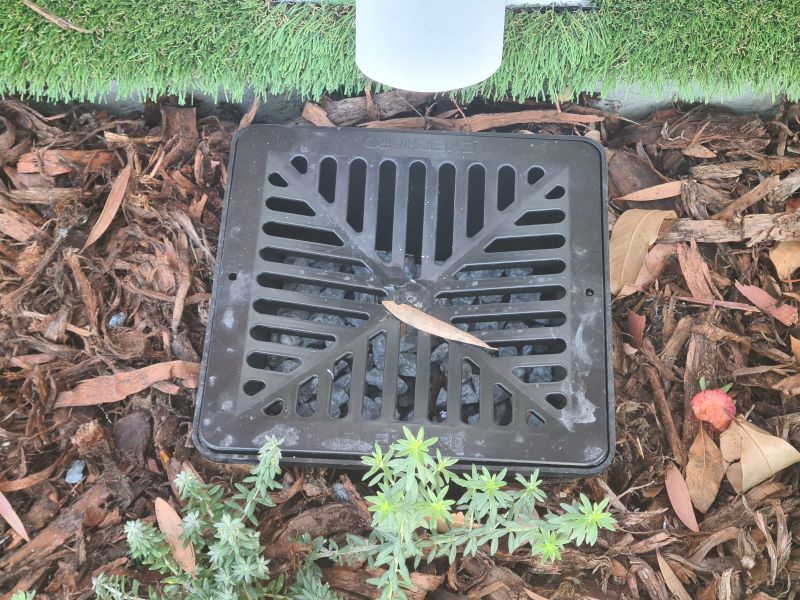
- Install trench or Strip drains: Strip drains will collect run off from paved or hardscaped areas. Installing them beside all hardscaped areas including driveways, pathways and patio areas.
- Soil Aeration and Improvement: Compacted soil is a major reason why lawns become waterlogged. Aerating the soil improves its structure, allowing rainwater to seep into the ground more effectively. This is particularly important in Sydney’s clay-rich soils, which are prone to poor drainage. Enhancing soil with organic matter like compost can also improve its water-holding capacity while preventing erosion.
Additional Environmental Considerations
Sydney Water emphasizes the importance of preventing pollutants from entering the stormwater system. Stormwater runoff carries pollutants from lawns, such as fertilizers, pesticides, and organic debris, which can lead to the contamination of rivers, creeks, and coastal waters.
Implementing environmentally friendly practices such as limiting chemical use, planting native vegetation, and managing garden waste responsibly can significantly reduce the negative impact of stormwater on the environment.
Homeowners can contribute by maintaining their own drainage systems
What Can Be Done?
The right drainage solution depends on what’s happening on your site but the fix usually starts with a proper inspection.
At The Plumbing Paramedics, we begin every backyard drainage job with a check of:
- How your yard slopes
- Where your downpipes are discharging
- What’s beneath your lawn (clay, sand, rubble?)
- Whether the water’s surface or subsurface
- Where it could be lawfully discharged to (stormwater drains, kerb, soakwell etc.)
From there, we’ll design a solution that doesn’t just move water—but moves it safely and legally.
It’s Not Just About Digging a Trench
Drainage is part science, part local knowledge. Sydney councils like The Hills Shire, Blacktown and Parramatta each have different stormwater guidelines. Sydney Water has its own rules too.
We’ll make sure your solution complies with:
- AS/NZS 3500.3 – Stormwater Drainage
- Your local Development Control Plan (DCP)
- Sydney Water drainage requirements
We’re also Dial Before You Dig certified and fully insured. That means we check for existing pipes, cables or utilities before we pick up a shovel.
Why Homeowners Trust The Plumbing Paramedics
We’re not landscapers with a shovel. We’re licensed plumbers who design drainage systems that actually work—long after the next rainstorm.
We don’t just fix the symptom. We work out why your yard floods and solve the real issue.
We also:
- Work with builders, landscape designers and architects
- Handle everything from design to installation
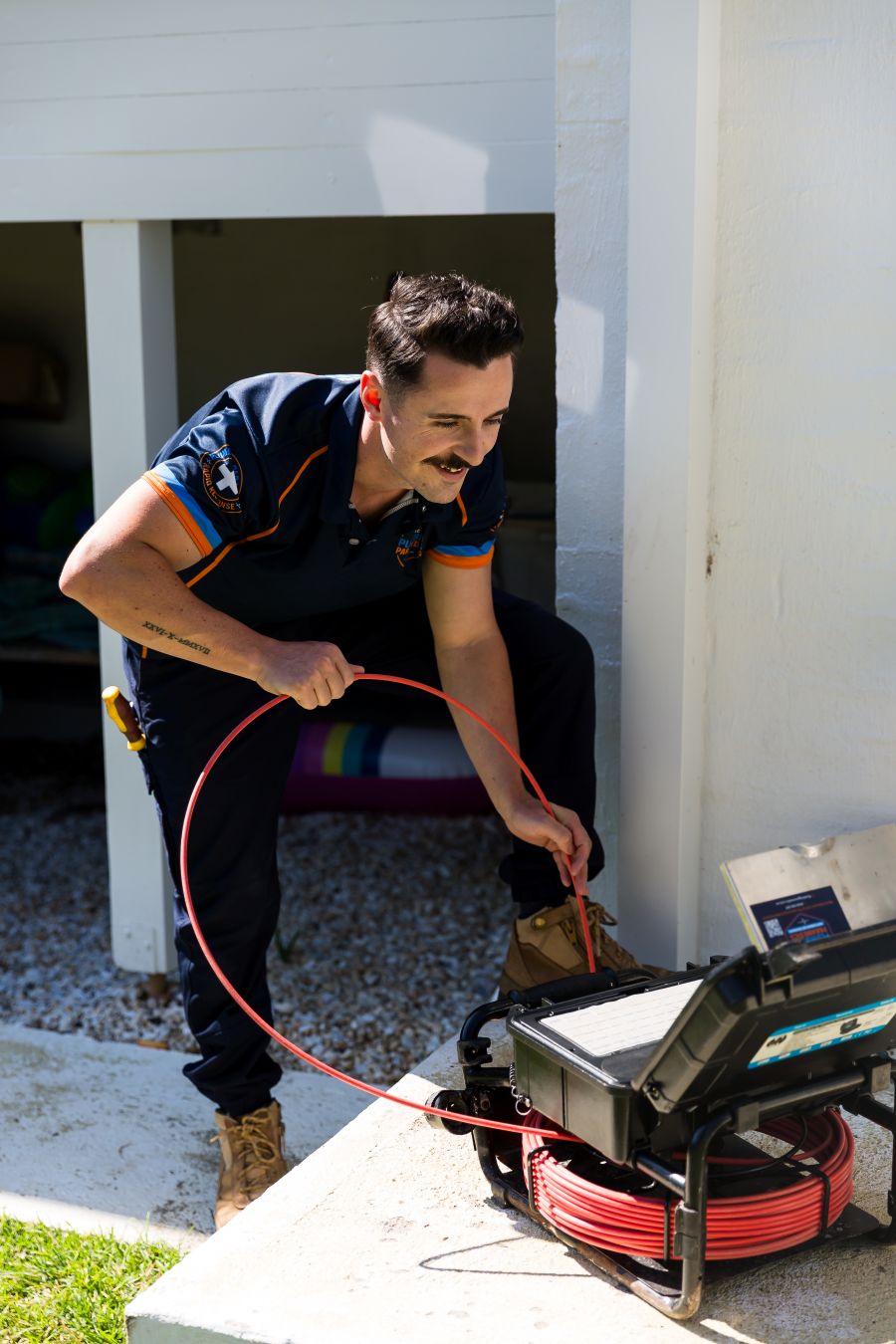
- Use CCTV cameras and flow tests when needed
- Keep you informed every step of the way
If you’re in Castle Hill, Kellyville, Baulkham Hills, Glenwood or Blacktown, we know your soil, your councils and your common flooding points.

What’s the First Step?
If your lawn’s wet after every shower,or worse, it stays wet for days—you’re not overreacting. You’re picking up early signs of a drainage failure. Left alone, it could become a major structural or health issue.
Give us a call. One of our licensed drainage plumbers will come out, inspect your site and give you clear options based on your budget and your backyard.
FAQs – Backyard Drainage in Sydney
How do I know if my yard needs a drainage system?
If water sits on your lawn for more than a few hours after rain, or if your turf feels squishy underfoot, it’s likely you have a drainage problem.
Are French drains legal in Sydney backyards?
Yes—but they must discharge to a lawful point. We ensure all French drains comply with Sydney Water and local council rules.
Can a plumber install a backyard drain?
Yes, and in NSW they’re the only licensed professionals allowed to legally connect to stormwater pipes and drainage infrastructure.
Will improving drainage stop rising damp inside the home?
It can help. Water pooling around the base of your house can cause moisture to rise into your walls, so solving external drainage is often part of the fix.
How much does a backyard drainage system cost in Sydney?
Costs vary depending on the system size, soil type and access. We provide fixed quotes after inspection—no surprises.
Can you work with my landscaper or builder?
Absolutely. We regularly collaborate with landscape designers and tradies to make sure drainage is integrated into the bigger picture.

Our Services
Get A Free Quote
Contact us today for a free, no-obligation quote on your plumbing needs.