Blocked Drain in a Rental Property: Who Pays, Tenant, Landlord or Sydney Water?
A blocked drain in a rental property triggers the same argument every time: the tenant says it’s the landlord’s problem, the landlord suspects the tenant caused it, and the property manager is stuck in the middle waiting on a plumber’s report. Here’s how responsibility actually breaks down in NSW, and how to avoid the dispute in the first place.
The short answer: in NSW, landlords are responsible for keeping the property’s plumbing in good working order. But if the blockage was caused by something the tenant did (wipes, sanitary products, cooking fat, kids’ toys), the tenant can be liable for the cost. And if the blockage is in the public wastewater main rather than the private pipework, it’s Sydney Water’s problem to fix, though the connection point itself is a shared responsibility worth getting a plumber’s opinion on first.
The three zones of responsibility
| Where the blockage is / what caused it | Who’s generally responsible |
|---|---|
| Fair wear and tear: aged pipes, tree root intrusion, collapsed or scaled pipework within the property | Landlord: this is property maintenance under the Residential Tenancies Act |
| Blockage caused by misuse: wet wipes, nappies, sanitary items, fats and oils, foreign objects | Tenant: landlords/agents can seek the repair cost where negligence is shown |
| Blockage in the public sewer main | Sydney Water: report it, they maintain the network beyond the property connection |
| Blockage right at the property connection point itself | Shared, get it checked: Sydney Water owns the junction, but the property owner is responsible for maintaining their own connection up to it (Sydney Water, Maintaining your service, retrieved 2026-08-26). This one genuinely needs a plumber on site to say which side it is on. |
The dividing line between “private” and “public” pipework is the connection point where your property’s sewer joins the Sydney Water network. Everything on the property side, including the pipe run under your front yard, is the owner’s responsibility.
Why the plumber’s report decides everything
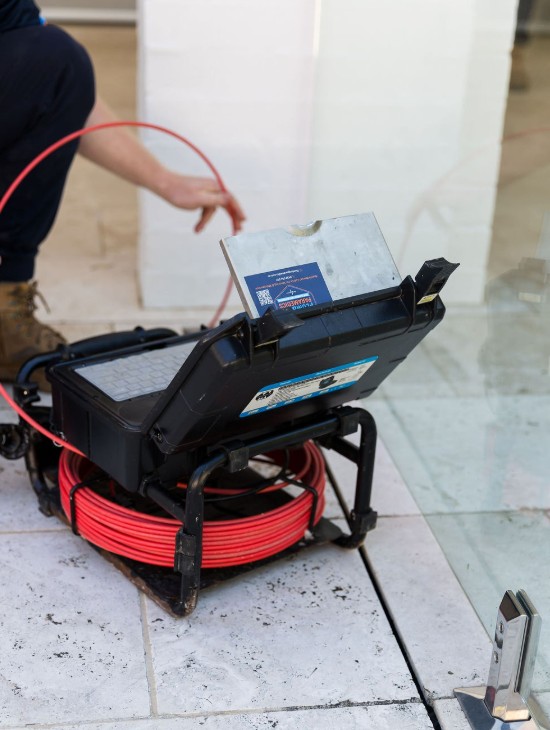
When a dispute arises, the evidence that settles it is the plumber’s findings: what was blocking the drain, and where. A CCTV drain camera inspection shows exactly what’s in the pipe. Tree roots and pipe defects point to landlord responsibility; a mass of wipes points the other way. Getting this documented at the first callout, in writing with camera footage, is what prevents the tenant and landlord dispute escalating to NCAT.
“Flushable” wipes aren’t flushable. They don’t break down like toilet paper, and they’re one of the most common causes of tenant-liable blockages we clear. If you manage rentals, putting this one line in your tenant welcome pack will save your landlords real money.
Recurring blockages: the sign it’s not the tenant
If the same drain blocks repeatedly, especially after rain, or with no obvious misuse, the cause is usually structural: tree roots entering through pipe joints, a bellied or cracked section of pipe, or old earthenware pipes reaching end of life. Clearing the blockage each time treats the symptom. A camera inspection identifies the cause, and in many cases pipe relining can permanently fix the section without digging up the yard, which matters for tenanted properties where excavation means disruption, damage claims and unhappy tenants.
For property managers: how to make blocked drains a non-event
The properties that generate the fewest headaches share three habits:
1. One documented callout process. A licensed plumber attends, clears the blockage, and provides a written cause-of-blockage report with photos or CCTV footage, so responsibility is established immediately, not argued about later.
2. Camera inspection on repeat offenders. Any drain that blocks twice within 12 months gets a CCTV inspection. It costs less than a third callout and identifies whether relining or repair is needed.
3. Tenant education at lease start. A one-page “what not to flush” note in the welcome pack demonstrably reduces misuse blockages, and strengthens the landlord’s position at NCAT if a tenant ignores it.
The Plumbing Paramedics work with property managers across the Hills District and Hawkesbury with response 7 days a week, upfront fixed pricing, and written reports on every job, so you can tell your landlord exactly what happened and who’s responsible, the same day.
Frequently Asked Questions
Can a landlord charge a tenant for a blocked drain in NSW?
Yes, if the blockage was caused by the tenant’s actions or negligence, such as flushing wipes or pouring fat down the sink. The landlord or agent needs evidence of the cause, which is why a plumber’s written report matters.
Who do I call first: the plumber or Sydney Water?
If sewage is overflowing or multiple properties are affected, contact Sydney Water. The blockage may be in the public main. For a blockage confined to one property, call a licensed plumber; if we find the problem is on Sydney Water’s side of the connection, we’ll tell you.
How much does it cost to clear a blocked drain?
It depends on the location and severity of the blockage and the equipment required (jetting, electric eel, camera inspection). We provide a fixed upfront price on site before any work begins. See our blocked drains service page for details.
Is tree root damage the landlord’s responsibility?
Generally yes. Tree root intrusion into ageing pipes is treated as property maintenance rather than tenant damage, even if the tenant reported the blockage.
Need a hand? Call The Plumbing Paramedics on 0430 054 007.
Source: Sydney Water, Maintaining your service, retrieved 2026-08-26, sydneywater.com.au/your-business/meeting-your-responsibilities/connections-disconnections/maintaining-your-service.html


Our Services
Get A Free Quote
Contact us today for a free, no-obligation quote on your plumbing needs.