Spoon Drains Installed In
Sydney
We deliver all drainage solutions across Sydney and we’re available 24/7 for emergencies. We ensure your drains remain flowing

What is a Spoon Drain?
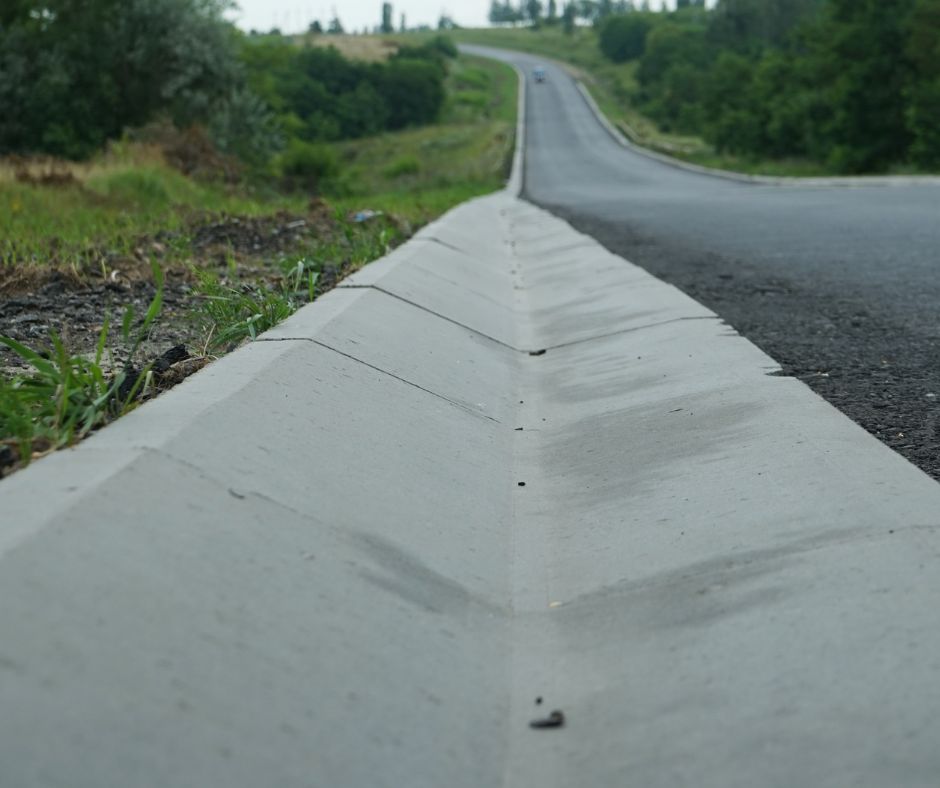
A spoon drain is a shallow, dish-shaped channel set into a driveway, path or yard that catches surface water and directs it away from your home. The Plumbing Paramedics install spoon drains right across Sydney and the Hills District, so if water is pooling on your paving or running the wrong way, we’ll grade and install one that fixes it properly.
Where Spoon Drains Work Best
- Driveways and Crossovers:: Spoon drains are often poured across driveways or at the base of sloping access points to capture rainwater before it enters garages or public roads.
- Footpaths and Sidewalks:: They prevent pooling and water damage by directing water toward street gutters or stormwater pits.
- Around Homes and Buildings:: Installed along the perimeter of slabs or near retaining walls to manage water that flows toward structures and reduce foundation moisture risks.
- Yard and Garden Areas:: Useful in redirecting water away from lawns, garden beds, or paved courtyards prone to waterlogging.
- Industrial and Commercial Zones:: Found in warehouse yards, carparks, or factory aprons where large volumes of water must be moved efficiently and safely.
- Rural and Acreage Properties:: Ideal for managing water on sloped or unpaved land where standard drainage may not suffice.
Need a Plumber You Can Rely On?
We’re available 24/7 across Sydney, ready to tackle any plumbing job—big or small.
Count on fast response times, licensed professionals, and upfront, honest pricing with no hidden surprises.

What Sydney Locals Say About Us


Components of a Spoon Drain
Spoon drains are shallow, open concrete channels designed to capture and redirect surface water. The name comes from their gently curved, concave profile that guides water to flow efficiently toward stormwater systems or dispersal points. A standard spoon drain includes three main components:
- Sub-base layer:: A compacted bed of gravel or road base provides structural stability and drainage under the concrete.
- Concrete body:: The main form is poured into a shaped trench to create the smooth, spoon-like profile that promotes water runoff.
- Surface finish:: The top layer may be broomed or textured to improve grip and water flow performance in high-traffic areas.
Concrete spoon drains are highly durable and effective for large surface areas and they are often found along driveways and within Carparks
Installation of Spoon Drains
Proper installation of spoon drains is crucial for effective water management. The process involves careful site assessment and precise construction techniques to ensure optimal drainage.
Assessing the Site
Before any spoon drain goes in, the site must be properly assessed. Start by identifying where water tends to pool, these low-lying trouble spots dictate the ideal location and direction of flow. Measure the full drainage route, including length and width, to ensure the spoon drain is sized correctly for the volume of runoff.
Alternative Storm Water Drainage Solutions
While spoon drains are effective, you have other options for managing water flow on your property. These alternatives can suit different needs and landscapes.
- French drains offer a flexible layout. They use perforated pipes buried in gravel to redirect water underground. This makes them less visible than spoon drains.
- Trench drains are another choice. These are narrow channels with grates on top. They work well in areas with heavy foot traffic or where you need a flat surface.
- Open storm drains are similar to spoon drains but often larger. They can handle more water and are good for areas with high rainfall.
- You might also consider:
- Swales: Shallow, graded channels that direct water flow
- Rain gardens: Natural depressions planted with water-loving plants
- Soakwells: Underground chambers that collect and slowly release water
Related Services For Drainage

Using The Leading Brands
We work with trusted industry brands to ensure every product we install is reliable, durable, and built to last.








Our Easy 3-Step Process
At The Plumbing Paramedics, we keep it simple and stress-free. Our streamlined 3-step process is designed to give you fast, reliable plumbing solutions without any confusion or delays.

1
Book Now
Call us or book online — our friendly team is ready 24/7 to assist. We’ll quickly understand your plumbing issue and schedule a visit that fits your time.
2
Up front Pricing
We’ll assess the job and provide a fixed quote on the spot. No hidden fees, just clear pricing and complete transparency from start to finish.
3
Job Done
Our licensed plumbers show up on time, fully prepared. We get the job done right, clean up after ourselves, and leave your space just as we found it.
Plumbing Problems can be stressful.
That’s why we’ve made our process simple, responsive, and focused on quality from the moment you call.
Clear Up Front Pricing
After inspecting the issue, we provide a fixed quote—no hidden fees, no surprises.
Local Plumbers
Need a plumber fast? Our fully stocked vans are always nearby and ready to respond.
Customer Satisfaction
Your satisfaction is our mission on every visit—quality service you can count on.
Big or Small
From leaky taps to full installations—no job is too small or too complex for our team.
Frequently Asked spoon Drain Questions
Here are some of the most common queries we get about drainage