
Let’s face it, blocked drains are gross. One minute your shower’s flowing like a dream, the next it’s backing up like a stormwater pit in a Sydney deluge.
But before you hit the panic button,
The Plumbing Paramedics are here with some fast, effective Drain First Aid.
We’re trained in Drain CPR, but you might be able to revive your pipes before we arrive. So roll up those sleeves, don your metaphorical stethoscope, and let’s try to get that water flowing again.
Step 1: Put The Kettle On!
Best for: Grease, soap scum, mild grime
The easiest fix for a minor blockage is boiling water.
Put the kettle on, not for tea, but for your drain. Carefully pour boiling water down the blocked drain to help melt grease, soap, and grime
that might be causing the blockage.
It’s eco-friendly (no harsh chemicals) and perfect for small, pesky blockages.
Got PVC pipes? Let the water cool slightly before pouring to avoid heat stress.
For older metal pipes, full steam ahead.
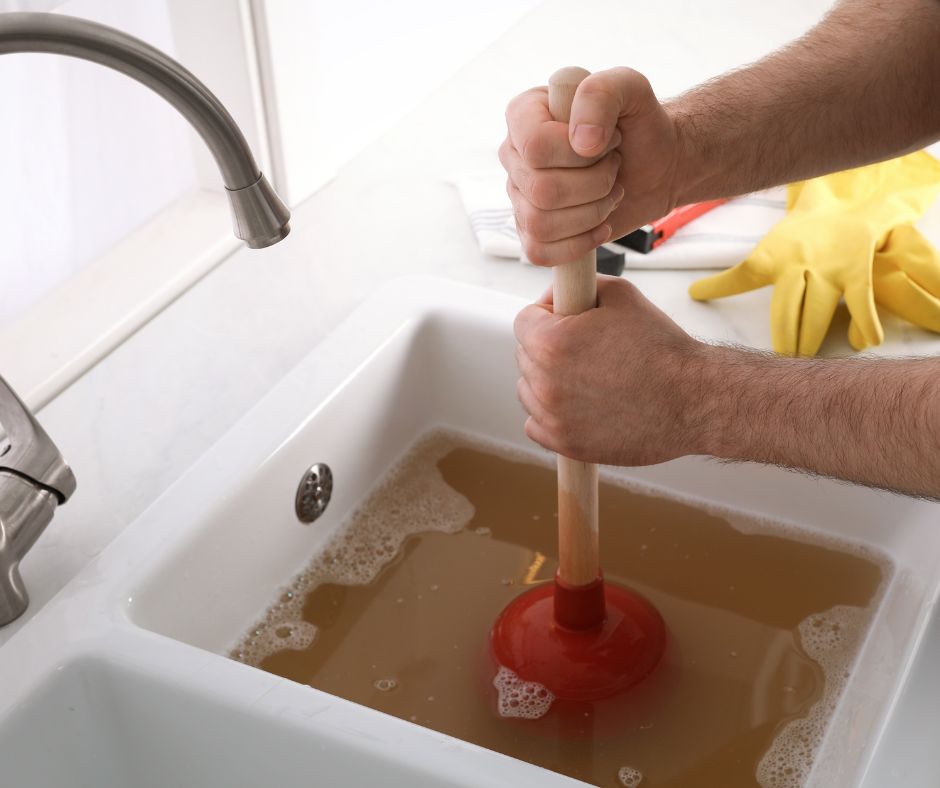
Step 2: Plunge Like a Pro
Best for: Sinks, showers, slow toilets – it’s the defibrillator of drain tools
Sometimes you’ve gotta bring out the big guns and you need to reach for the trusty plunger,it’s the defibrillator of drain tools.
Block the overflow hole with a wet rag (builds better pressure), then plunge in short, sharp pumps. Ten to fifteen solid plunges should do it.
( Make sure all onlookers are “Clear” before you start plunging)
If you hear a satisfying gurgle? You just brought that drain back from the brink.
Step 3: The Baking Soda & Vinegar Volcano (Natural Drain
Cleaner)
Best for: Funky smells, minor organic clogs
Pour ½ cup of baking soda, then a cup of white vinegar into the drain.
Cover with a plug or damp cloth and let the chemical reaction do its fizzy magic.
Wait 10 minutes, then flush with hot water.
It’s like CPR and deodorant in one eco-friendly combo.
Step 4: Drain Surgery Like MacGyver (With a Wire Hanger)
Best for: Hairballs, soap build-up, mystery gunk
No drain snake or Jetter? No worries! Straighten out a wire coat hanger and bend one end into a small hook.
Feed it gently into the drain and fish out any gunk, hair, or mystery objects. It’s
gross but strangely satisfying.
Be gentle, don’t scratch your pipes!
(Gloves highly recommended unless you like mystery goo.)
Step 5: Check the U-Bend (a.k.a. The Trap Under the Sink)
Best for: Kitchen sink blockages that won’t budge
Place a bucket underneath to catch water.
Unscrew the pipe carefully using a wrench.
Clear out the sludge or food scraps.
Screw it back on tight and test and Voilà, minor plumbing surgery complete!
When to Call The Plumbing Paramedics
Like any good first responder knows, there’s a time to stabilise and a time to escalate.
Call us if:
- Your toilet gurgles when the sink drains
- You’ve got multiple slow fixtures
- There’s sewage smell or outdoor overflow
- DIY hasn’t worked and you’re out of ideas
- You’re in a strata or acreage property and the blockage might be shared
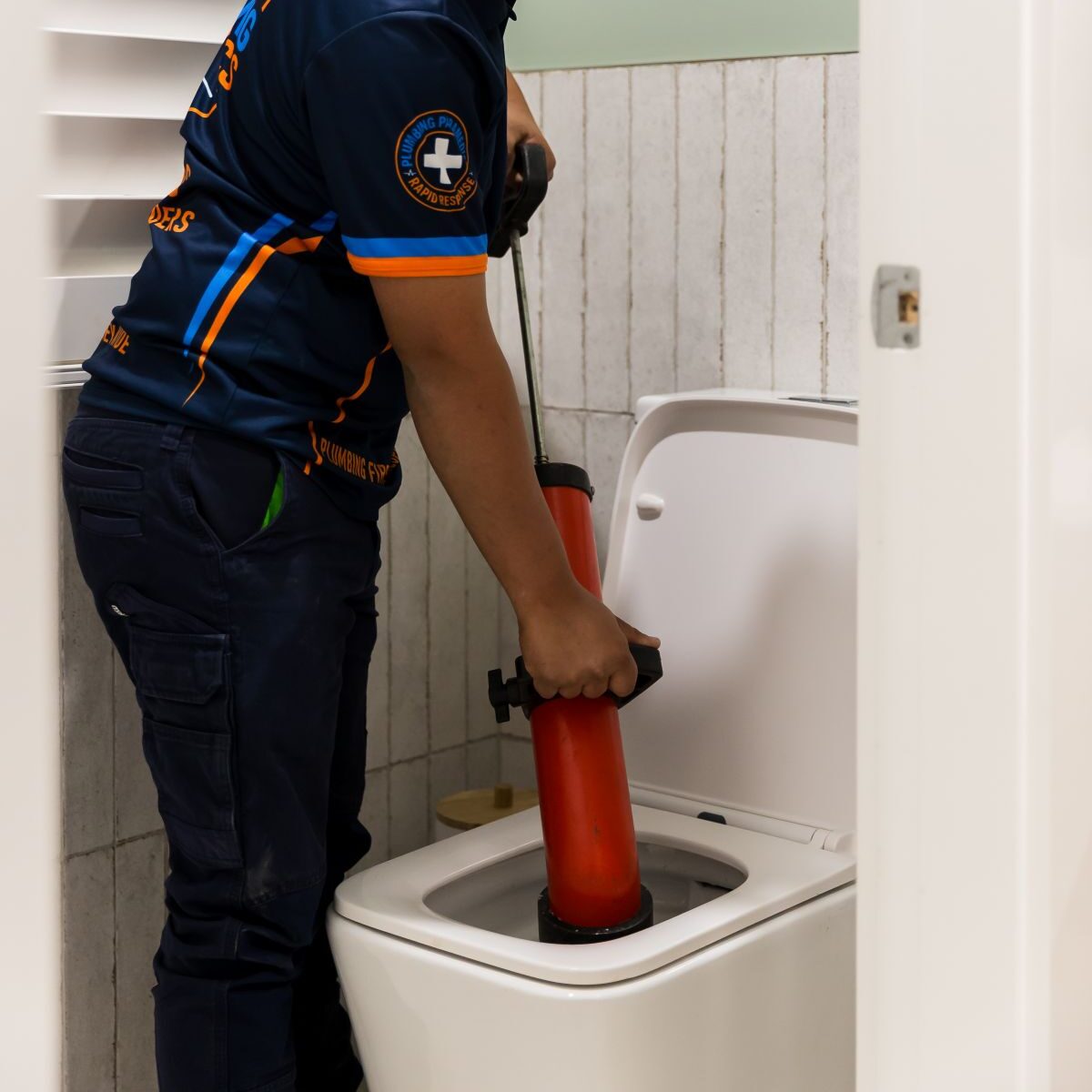
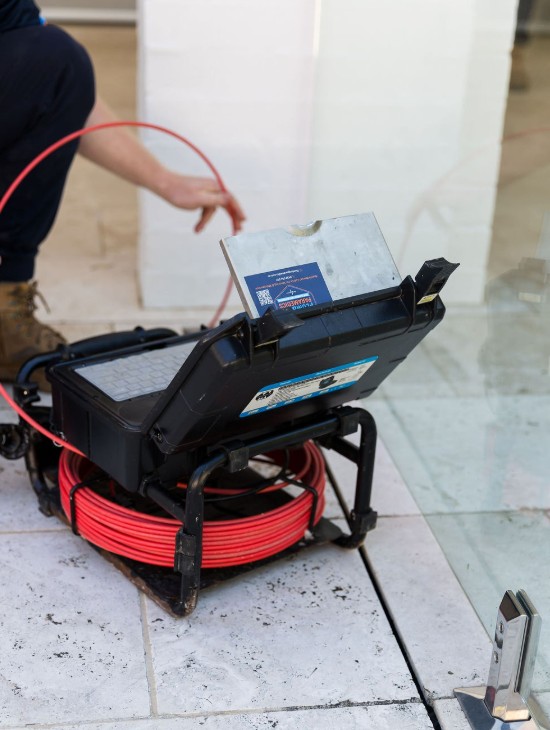
We bring the real tools, jet blasters, CCTV diagnostics, and if needed, trenchless surgery (pipe relining).
Pro Tip: Know When to Stop
DIY is great until it’s not. If you try chemical drain cleaners (which we don’t recommend), skip boiling water straight after, it can cause chemical steam burns. If you’re not 100% sure what you’re doing? That’s your sign.
Sydney sewer lines can be complex. Call in your local drain paramedics before your pipe arrest turns critical.
Bonus: Keep Your Drains Happy and Flowing
- Scrape plates into the bin, not the sink
- Use hair catchers in showers
- Only flush the 3 Ps: pee, poo and paper
- Treat your drains to a weekly boiling water flush
- Never pour fat, grease or oil down the drain
Read more about blocked drain prevention
Emergency Blocked Drain Response in Sydney
The Plumbing Paramedics are standing by across Sydney, The Hills District, Blacktown, and surrounding suburbs.
Whether it’s a backed-up toilet or a stormwater line throwing a tantrum, we’ll have it cleared, camera-checked and flowing again.
📞 Call 0430 054 007
We bring the gear. We bring the experience. We bring the calm in your plumbing chaos.
DIY Blocked Drain FAQS
Can I unblock a drain with boiling water?
Yes, for minor grease or soap blockages, boiling water can help melt soft buildup. Always let it cool slightly before pouring if you have plastic (PVC) pipes to avoid damage.
What can I use instead of drain cleaner chemicals?
Try a mix of baking soda and vinegar followed by hot water. It’s safe, natural, and can break down soft clogs without harming your pipes or the environment.
Is it safe to use a plunger on kitchen and bathroom drains?
Yes, but cover overflow holes with a rag for better pressure. Use a cup plunger for sinks and a flange plunger for toilets to get the best results.
Can I snake a drain myself with a wire hanger?
You can, for shallow clogs. Straighten a hanger into a hook and gently fish out debris. Avoid force, you don’t want to scratch or damage the inside of the pipe.
What if the U-bend smells or leaks after I open it?
Make sure the washers are seated correctly and the nuts are tightened evenly. Rinse it thoroughly and check for drips after reassembly.
How do I know if it’s more than a simple blockage?
If multiple drains are slow, water backs up into other fixtures, or you see outdoor overflows, it likely means a deeper blockage in the main sewer line.
Can tree roots be cleared without digging?
Yes. We use high-pressure jetters and root-cutting nozzles to clear roots without trenching. If the pipe is damaged, we may recommend pipe relining.
When should I stop DIY and call a plumber?
If plunging, snaking, or flushing doesn’t solve the issue, or you’re dealing with foul odours, multiple affected fixtures or sewer overflow, it’s time to call the Plumbing Paramedics.
Frequently Asked Questions
Can I Clear A Blocked Drain Myself In Sydney?
Yes for simple kitchen or bathroom sink blockages caused by grease, hair, or soap buildup. Use a plunger first, then a manual drain snake if needed. For DIY-friendly blockages, this often clears the issue without professional help. If the blockage is in the main sewer line, in a toilet, or affecting multiple fixtures at once, stop and call a licensed plumber, those usually mean deeper issues that DIY won’t fix.
What Household Items Work Best For Clearing A Slow Drain?
Boiling water poured slowly down the drain dissolves most grease and soap residue. Half a cup of baking soda followed by a cup of white vinegar (chemical reaction loosens buildup) then flushed with boiling water after 15 minutes is a safe and effective non-chemical method. A plunger or sink-specific drain snake handles physical blockages. Avoid wire coat hangers, they damage drain coatings.
When Should I Stop DIY And Call A Plumber?
Stop and call when: the blockage doesn’t clear after two plunger attempts, water backs up in other fixtures (toilet backs up when shower drains), sewer smells appear in the yard, the same drain blocks repeatedly within weeks, or you suspect tree roots (frequent blockages in older Hills District homes are usually root invasion). Don’t pour caustic chemical drain cleaners, they damage pipes and complicate professional clearing.
Is It Safe To Use Drain Cleaner Chemicals?
We don’t recommend caustic chemical drain cleaners. They damage older PVC and copper pipes, can crack porcelain fixtures, are dangerous if mixed with other cleaners, and rarely fully clear a real blockage, they just push softer material further down the line. They also make any subsequent professional clearing more hazardous for the plumber. Use enzymatic drain maintainers (like bio-clean products) instead.
How Do I Clear A Blocked Toilet Without A Plunger?
If you have no plunger, try: a bucket of warm (not boiling) water poured from waist height into the bowl, or half a cup of dish soap followed by hot water and 15 minutes wait. If neither works after two attempts, call a plumber, toilet blockages can quickly become sewer back-ups, especially in older Hills District homes with cast iron drainage.
Why Do My Drains Keep Blocking Even After I Clear Them?
Recurring blockages usually mean one of three things: tree roots invading the sewer line, a damaged or collapsed section of pipe, or a constant source of grease/hair/foreign material being added. CCTV camera inspection is the cleanest way to identify which. We offer drain camera inspections from $350 across the Hills District and can usually identify the cause within an hour on site.

Our Services
Get A Free Quote
Contact us today for a free, no-obligation quote on your plumbing needs.