When your sink gurgles, your shower drains slowly or your toilet backs up, it might feel like isolated issues. But the truth is, they often point to the same culprit: a blockage in the main sewer line or branch drain that serves your whole property.
Should I try To Unblock A Drain?
ABSOLUTELY! Homeowners should try to unblock small drain clogs – Read how to unblock a drain here. Some blockages are temporary and be quickly budged saving you from calling out an emergency plumber.
Keep reading so you can understand why prevention is the best cure when it comes to blocked drains, saving you save thousands of dollars in sewer repairs and excavation costs.
At The Plumbing Paramedics we see every day how hair, grease, shifting soil, tree roots and collapsed pipes all conspire to bring a home’s plumbing to a halt. This guide outlines the real reasons sinks drains and, toilets become blocked, and why you need a plumber who knows drainage and wants you to have a long term solution and not just a quick fix that will go on to fail again.
How Your Internal Plumbing Links to the Main Line
Every plumbing fixture, your kitchen sink, laundry tub, bathroom basin, shower and toilet, drains through a network of branch lines into a main service line (or “sewer line”) that carries wastewater away to the public system.
In our region that is typically under the control of Sydney Water.
When any part of that system fails, whether it’s the branch line, the main pipe, or the connection to the street, you’ll start seeing symptoms of drainage issues in your kitchen, bathroom and laundry.
That’s why what looks like a simple sink issue may actually be a far deeper problem.
Top Causes of Blockages in Sydney Homes
1. Grease, Fats and Oils
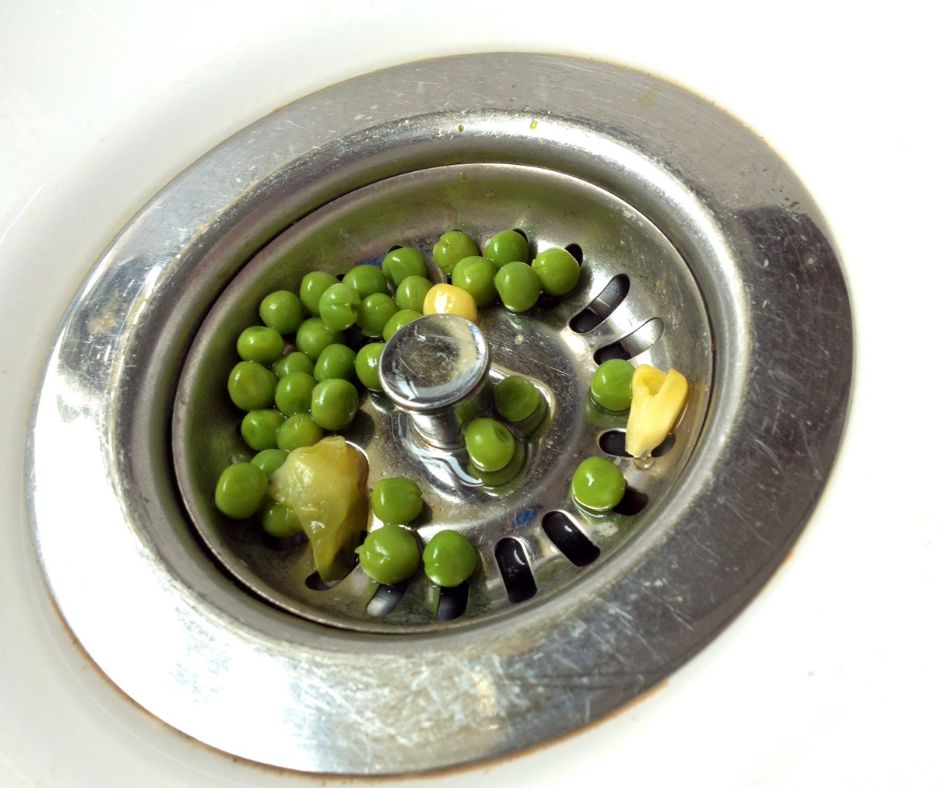
In kitchens, grease, fats, and food waste poured down the sink cool and solidify in pipes, narrowing the internal diameter and forming the base of future blockages. In commercial kitchens especially, a properly installed grease trap is mandatory to prevent FOG (fats, oils and grease) from entering the sewer. Sydney Water
2. Hair, Soap Scum and Hygiene Items
In bathrooms, hair and soap build‑up repeatedly catch in traps and bends, forming clumps that gradually restrict flow. Flushing “flushable” wipes or cotton buds adds to the problem because they don’t degrade like plain toilet paper.
3. Tree Root Intrusion & Pipe Collapse
Older pipework in suburbs like The Hills and Blacktown is often clay, earthenware or unreinforced. Roots seek moisture and invade cracks or joints, then expand inside the pipe, breaking or blocking it entirely. Once this happens you might see yard soakage, slow drains, or multiple fixtures affected.
4. Ground Movement, Soil Fall & Poor Drain Installation
Australia’s soil can shift. What happens when the ground under a pipe falls away, or the pipe was laid without the correct fall (gradient)? If a drain is laid flat or up‑hill, water slows, solids settle, and the pipe gradually fills. Proper fall and installation matter. Poor installation can lead to pooling, blockages, or sudden failure.
5. Foreign Objects & Incorrect Items
From sanitary items to baby wipes and food scraps, many items should never be flushed or poured down. These non‑biodegradable items collect in branches or traps and eventually cause a backup.
6. Shared Drains, Undersized Pipes & Trenchless Solutions
In older homes or strata properties, drains may be undersized or shared between properties. If one home misuses the drain it affects others. In many cases the fix requires CCTV inspection, high pressure jetting or pipe relining — not just clearing the blockage and walking away.
7. Stormwater or Surface Water Infiltration
While stormwater drains are separate from sewer drains, poorly maintained or mis‑connected systems can allow surface water to enter wastewater lines, overwhelming the system and causing backups. Recognising which system is affected is key to choosing the right repair.
Why One Blockage Affects Multiple Fixtures
Because all your fixtures drain into the same main line, when that line is restricted you’ll see symptoms across the house: the toilet may flush slowly, the shower may back up, or water might come up through floor wastes. If you flush the toilet and the shower gurgles — you’re likely dealing with a main line issue.
Why Expert Installation & Diagnosis Matter
- Fall and alignment: A poorly laid drain pipe with inadequate fall will trap solids and water. Proper plumbing installation ensures correct fall and alignment from the outset.
- Grease trap compliance: In commercial kitchens, a correctly sized and installed grease trap is mandatory to stop FOG blockages and sewer damage. Sydney Water+1
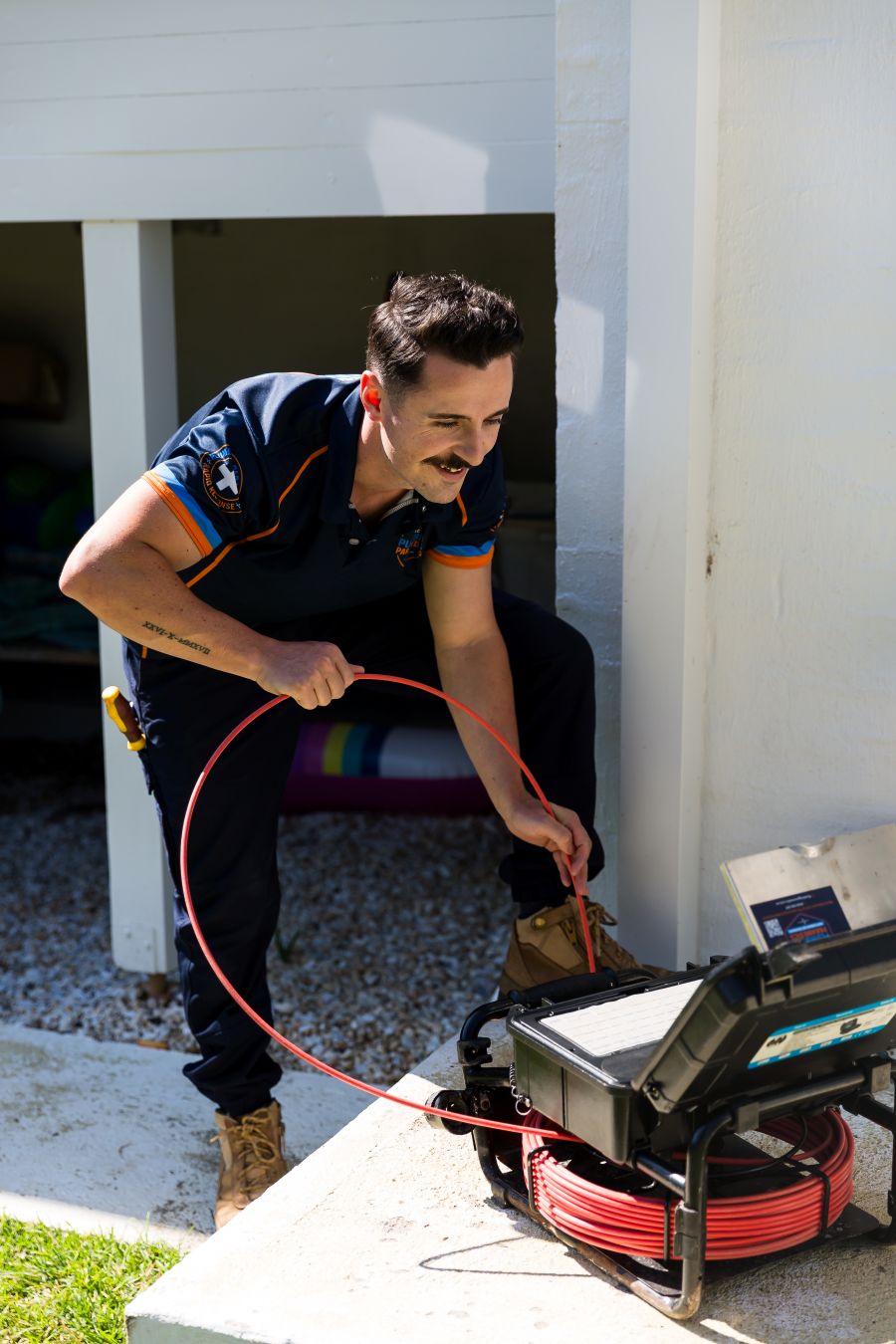
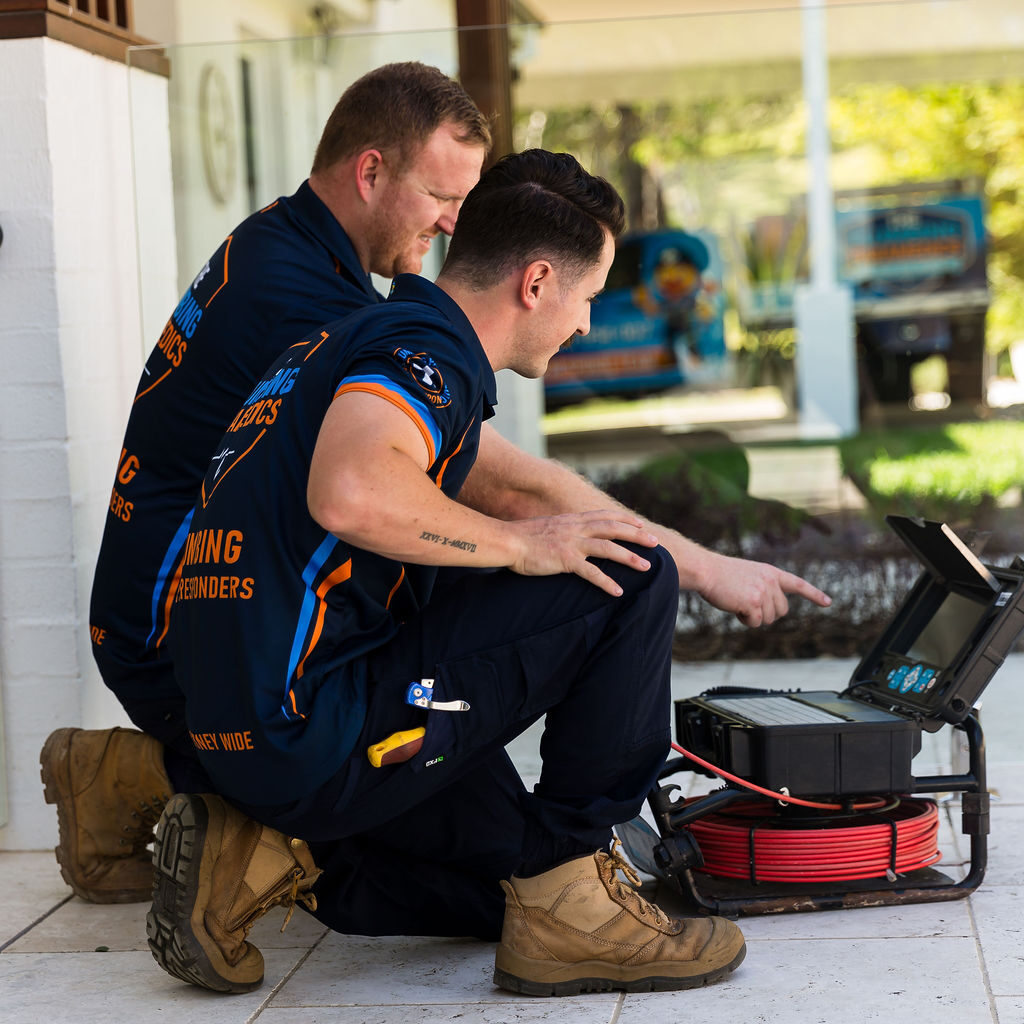
- CCTV and diagnostics: Modern plumbers use cctv cameras to inspect inside pipes and locate root intrusion, mis‑alignment or collapsed sections. It removes guesswork and focuses repair efforts.
- Pipe relining & trenching: If the pipe is crushed or uniform blockages recur, pipe relining may permit repair without full excavation. In severe cases trenching and replacement are required.
- Tree root removal and preventative cutting: Once roots invade, simple clearing won’t fix the cause. Our team uses root cutting heads and then relines or replaces the pipe to stop recurrence.
Preventing Blockages Before They Escalate
- Use strainers in showers, sinks and laundries to catch hair and food debris.
- Never pour fat, oil or coffee grounds down a drain.
- Only flush wee, poo and toilet paper.
- Have older sewer lines inspected every 1‑2 years with CCTV, especially if your block has mature trees.
- Watch for outside signs: damp spots, yard pooling, gurgling drains. These may point to main line issues.
When DIY Isn’t Enough
If multiple fixtures are blocked, your outdoor drain pit is overflowing, or you suspect root or pipe collapse, it’s time to call a licensed blocked drain plumber.
Equipped with CCTV, jetters and relining capability, drainage plumbers have the equipment to get to the root cause and prevent repeat visits.
Time to Get Ahead of the Blockage?
One blocked sink might seem small, but it could be your first clue that something’s not right deeper in your drains. Grease, roots, shifting ground or poorly laid pipework all add up fast. If you’re noticing slow drains, gurgling sounds, bad smells or repeated clogs, don’t wait for it to become a plumbing emergency. Let our team diagnose the problem with CCTV, jetting, and expert repair options — before it turns into a major headache.
📞 Call The Plumbing Paramedics on 0430 054 007, we’re ready when your drains aren’t.
FAQS For Blocked Drains, Toilets and Sinks
Can I use a plunger to clear a blocked toilet or sink?
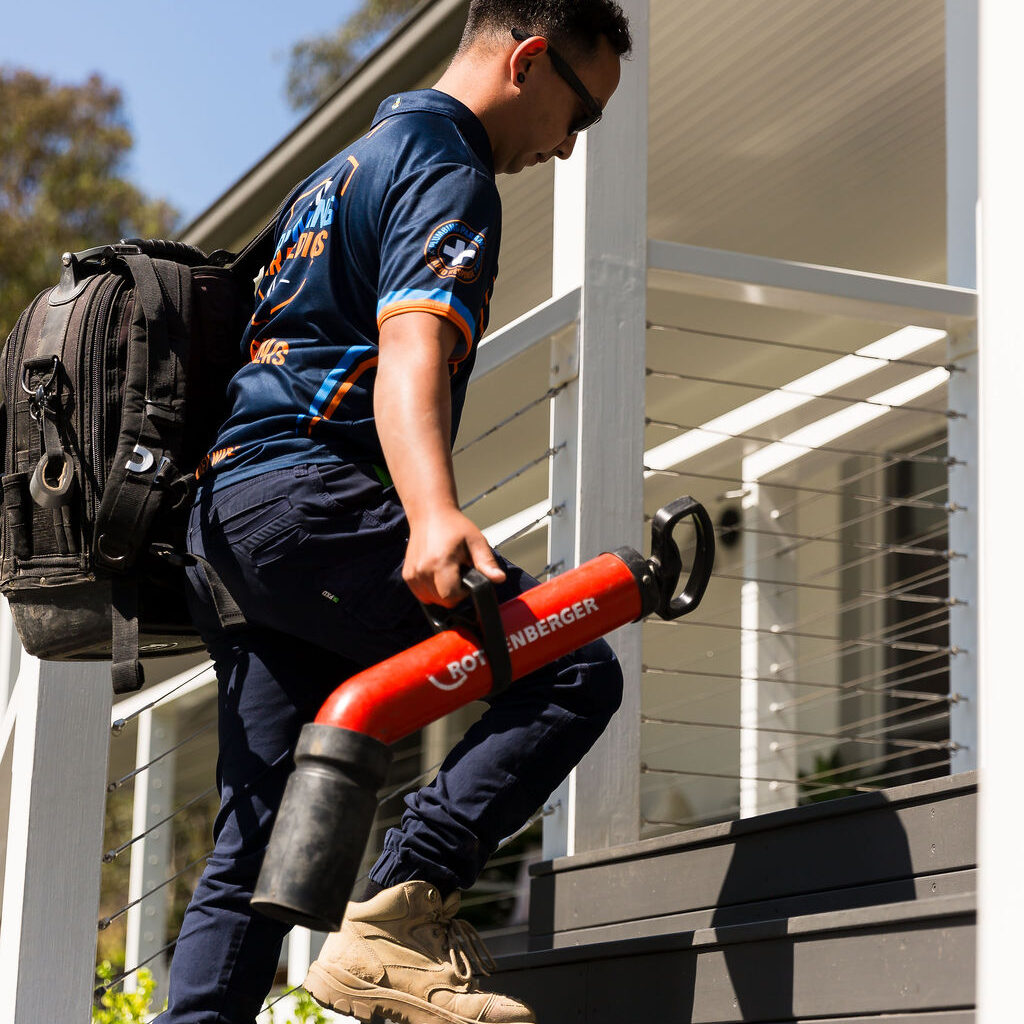
Yes, plungers are often effective for minor blockages in toilets, sinks, and basins. Make sure to create a tight seal over the drain, pump firmly for 30 seconds, and test drainage. If water rises or fails to drain after several attempts, the blockage is likely deeper and will need professional equipment like a jetter.
Are “flushable” wipes really safe to flush?
No. Despite what the label says, most “flushable” wipes do not break down in water and can cause serious sewer line clogs. These wipes catch on pipe edges or tree roots and build into large obstructions over time, often leading to blocked toilets or gully overflows.
Why do multiple drains gurgle at the same time?
When several fixtures like your toilet, shower and sink make gurgling noises, it’s often a sign your main sewer line is partially blocked. Air and water can’t flow freely, so pressure builds and releases through other drains. This is usually caused by grease, roots or sagging pipe sections.
What’s the main cause of blocked drains in Sydney homes?
The biggest culprits are tree root intrusion, cooking fats and grease poured down sinks, and non-flushable items in toilets. Sydney’s older homes also suffer from shifting ground, clay pipes, and poor fall, which makes blockages more frequent if drains aren’t installed or maintained correctly.
Can I pour boiling water or baking soda down the drain to fix it?
Yes, but only for small blockages. Boiling water can melt grease build-up and baking soda with vinegar can break up light soap scum. These are safe first-aid steps for your drain, but they won’t clear heavy grease, roots or compacted debris. For stubborn issues, you’ll need a plumber with jetting tools.
Is pipe relining a good alternative to digging?
Pipe relining is an excellent no-dig method to fix broken, root-damaged or leaking pipes. It creates a new pipe inside the old one without excavation. It’s ideal for homes where digging through concrete, tiles or gardens would be disruptive. We offer CCTV inspections to assess if relining is suitable.
Can tree roots really crack or crush my sewer pipe?
Absolutely. Roots are the number one cause of sewer blockages in leafy suburbs like the Hills District. They seek out moisture and grow through pipe joints, causing cracks, blockages and even pipe collapse. That’s why early detection and proper installation fall are critical in preventing root damage.
What’s the best way to prevent future blocked drains?
Avoid flushing anything other than toilet paper, use sink strainers, never pour fats or coffee grounds down the drain, and book a plumbing inspection every couple of years. Preventative jetting and camera inspections catch small problems early and keep your drains flowing clear and clean.
Frequently Asked Questions
What’s The Most Common Cause Of Blocked Drains In Sydney Homes?
Across the Hills District and greater Sydney, the most common causes are (in order): tree root invasion in sewer lines (especially older homes pre-1990), grease and food waste in kitchen drains, hair and soap residue in bathroom drains, and wet wipes in toilets despite ‘flushable’ labelling. Older properties skew toward tree roots; newer properties skew toward grease and wipes.
Why Does My Toilet Keep Blocking?
Repeated toilet blockages have a small number of causes: ‘flushable’ wipes (not actually flushable for sewer systems), excessive toilet paper, foreign objects flushed by children, low-flow toilets struggling with older drain pipe gradients, or — increasingly common in older Hills District homes — a partial blockage further down the sewer line that drops back into normal flow but catches anything bulky.
What Shouldn’t I Flush Down The Toilet?
Wet wipes (even ‘flushable’ brands), paper towels, sanitary products, dental floss, hair, cotton buds, condoms, cigarette butts, cooking oil or grease, medications, kitty litter. Only toilet paper and human waste should go down. The ‘flushable’ label on wipes means they pass through your toilet, not that they break down in sewer systems — Sydney Water removes hundreds of tonnes of wipe-related blockages every year.
How Can I Prevent Kitchen Sink Blockages?
Never pour cooking oil, fat, or grease down the sink — even small amounts solidify in pipes. Scrape plates into the bin before rinsing. Use a sink strainer to catch food particles. Run hot water for 10 seconds after each use to flush soap and food residue. Once a month, pour half a cup of baking soda followed by a cup of vinegar, then boiling water 15 minutes later, to clear soap buildup.
Are Tree Roots Really A Problem For Sydney Drains?
Yes — especially in Hills District suburbs like Castle Hill, Kellyville, Baulkham Hills, and Bella Vista where mature gum trees, jacarandas, and camphor laurels sit close to sewer lines installed before the 1990s. Roots find micro-cracks in the original earthenware pipe joints, grow inside, and cause recurring blockages. CCTV inspection confirms whether roots are the cause and how extensive the intrusion is.
How Often Should I Have My Drains Cleaned Professionally?
For homes with no history of blockages: every 5 years as preventative maintenance. For homes with recurring blockages or known tree-root issues: hydro-jetting every 12 months keeps the line clear. Commercial premises and food service: every 6 months minimum. We offer scheduled maintenance plans across the Hills District at fixed annual pricing.

Our Services
Get A Free Quote
Contact us today for a free, no-obligation quote on your plumbing needs.