📅 Updated May 2026: We’ve added a new section on WaterMark-certified integrated bidets (Roca In-Wash and similar) which skip the traditional RPZ + annual testing requirements. Scroll to “The 2026 alternative” for what’s changed.
The Plumbing Paramedics explain what’s legal, what’s risky, and what’s next for your bathroom
In suburbs like Castle Hill and Bella Vista, bathroom renovations are booming. Among the most popular upgrades? Bidets.
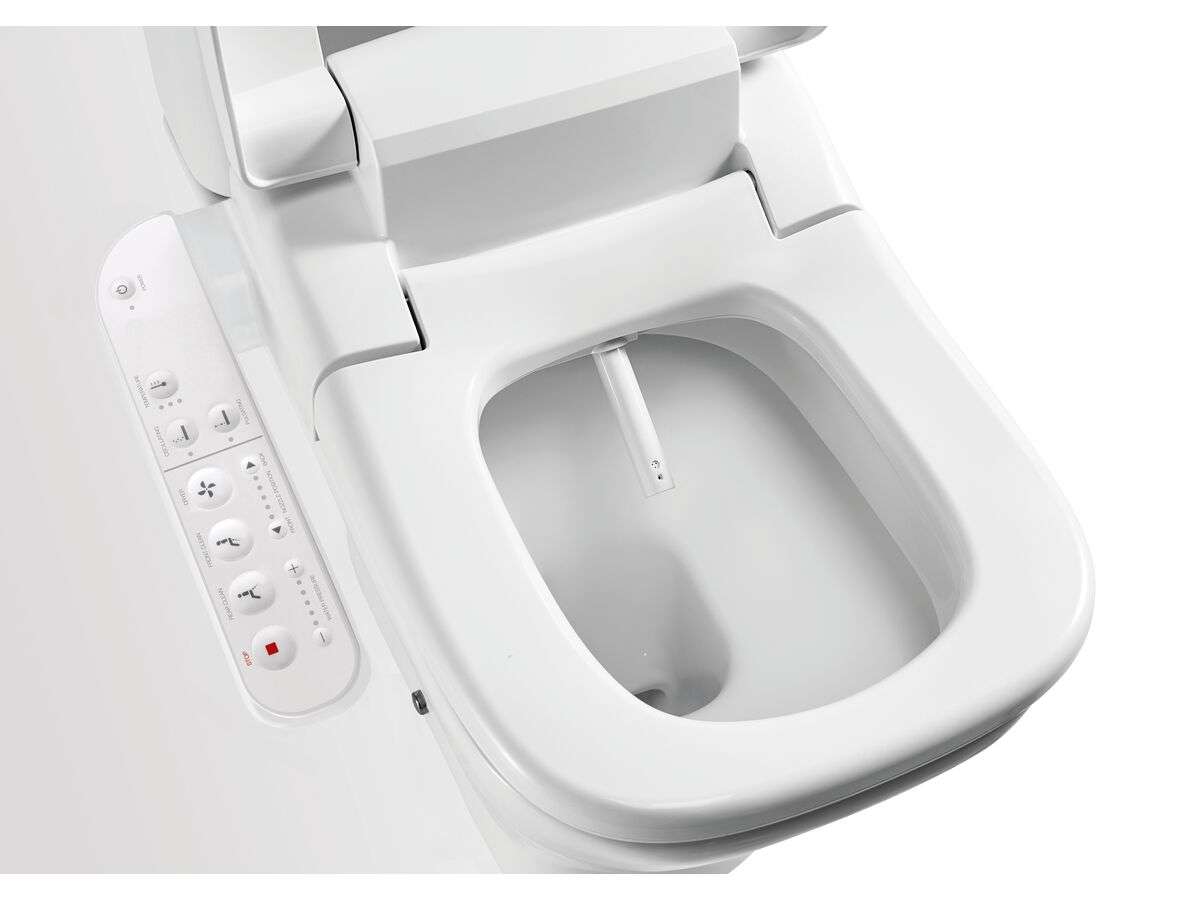
Whether it’s a Japanese-style smart toilet or a simple handheld spray, Hills District homeowners are opting for improved hygiene and comfort.
But here’s what many don’t realise: bidets can create a plumbing risk called backflow,and in NSW, that means legal responsibilities, not just convenience.
Backflow occurs when contaminated water flows back into the clean supply. If your toilet spray or bidet seat isn’t protected properly, it can turn your upgrade into a public health hazard. That’s why NSW laws (under the Plumbing Code of Australia) treat many bidet setups as high-hazard connections.
The Plumbing Paramedics are often called in when renovations go wrong. So here’s what you need to know before you fit that bidet.
What is backflow and why does it matter?
Backflow happens when water pressure drops in the main supply or surges on your property. These events can pull or push used water,along with germs, waste or chemicals, back into your drinking system.
Bidets increase this risk because they connect close to the toilet, where contaminants are more likely. If the nozzle dips near the bowl or lacks an approved air-gap, the law classifies it as high risk.
This is more than a technical detail. A single backflow event could affect your entire household,or even nearby homes.
Which bidet types trigger compliance rules?
If you live in the Hills District and plan to install any of the following, you’ll need a licensed plumber to assess the hazard level:
- Handheld sprays (toilet hoses): Always high hazard
- Bidet seats (retrofit options): Medium or high hazard depending on outlet position and certification
- Smart toilets (integrated bidet and seat): High hazard unless certified with integral protection
Products with a built-in air gap or atmospheric vacuum breaker (AVB) might avoid the need for an external device,but only if their WaterMark scope of use confirms this. Your plumber must check.
What devices protect against bidet backflow?
Your plumber may recommend:
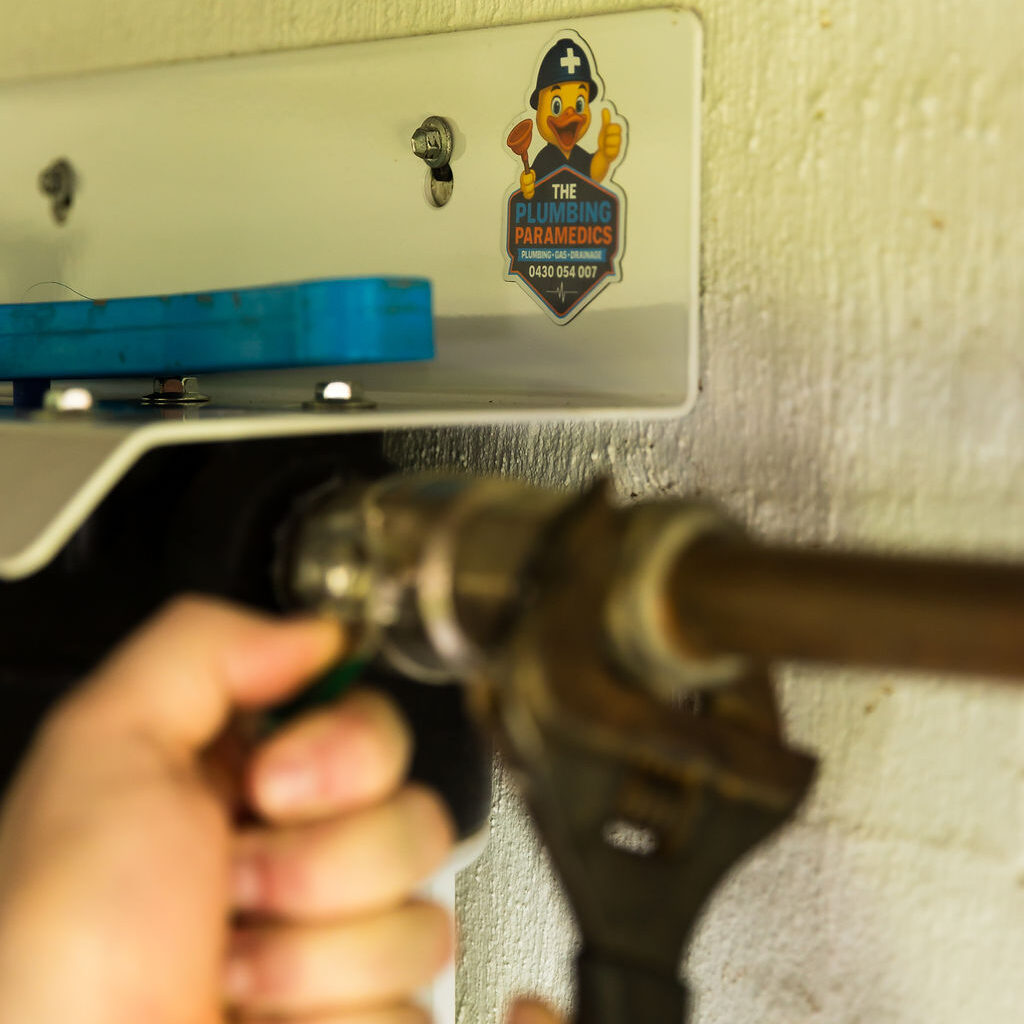
- RPZ (Reduced Pressure Zone Device): The gold standard for high hazard; testable annually
- Registered Air Gap: Physical separation; no moving parts
- Dual Check Valve: Not allowed for high hazard; only for medium risks
In The Hills, RPZs are often installed as individual protection,right before the bidet connection. In homes with multiple bathrooms or higher risk profiles, your plumber may install zone protection to cover several fixtures at once.
How does this affect installation and renovation plans?
When planning a renovation or upgrade:
- DIY installs are prohibited
- Testable devices require registration and annual reports
- Your plumber must issue a certificate of compliance
- Some devices need space, drainage and inspection access
The Plumbing Paramedics routinely provide hazard assessments before installation begins, helping Hills District homeowners avoid costly rework.
The 2026 alternative: WaterMark-certified integrated units (Roca In-Wash and similar)
Since this article first went up, we’ve started getting more questions about a specific model: the Roca In-Wash Inspira smart toilet. The short version, yes, it’s a real option, and yes, it changes what compliance looks like for a Hills District bidet install.
Here’s the technical part in plain English. The Roca In-Wash holds WaterMark certification WMKA02321, which confirms it complies with AS 2845.2 and AS/NZS 3500.1 clause 12.2.3. In practice that means the unit has built-in high-hazard backflow prevention, usually an air gap (AG) or atmospheric vacuum breaker (AVB) integrated into the product itself.

So what’s the practical difference for you?
Where the toilet douche seat includes suitable high-hazard protection via an integral AG or AVB, there’s no separate backflow prevention device to install, and no annual registration or testing to schedule. The protection lives inside the unit, certified at the product level. The South Australian regulator’s published guidance is the clearest summary, for integrated units there is “no requirement for the backflow protection device to be annually inspected and tested“. The same standard applies in NSW because it’s built on the AS/NZS plumbing code, not state-specific rules.
What this can save you (real numbers)
Traditional path: handheld spray, bidet seat retrofit, or non-certified smart toilet:
- Backflow device (RPZ): from $200, $500
- Licensed installation: from $400 depending on access
- Annual RPZ testing: from $100, $150 every year
- 5-year total: From $1,100, $1,700+
WaterMark-certified integrated unit (Roca In-Wash or similar):
- Unit cost: variable (depends on model + retailer)
- Licensed installation: from $400, still required for the water connection
- Annual testing: none required
- 5-year ongoing testing cost: $0
The honest caveats
Not every product marketed as “smart toilet” or “WaterMark listed” has integral high-hazard backflow protection. Some have lower-grade protection that still requires a separate device. Before you commit, ask for the WaterMark certification number and check it on the official WaterMark register. If the listing doesn’t explicitly state integral AG/AVB compliance to AS 2845.2, plan for a separate device and budget accordingly.
Installation still requires a licensed plumber. The product’s integrated protection covers the device; the connection to your home’s water supply still falls under standard NSW plumbing licensing.
For commercial properties, retirement villages, and shared-water installations, different rules can apply. Backflow protection requirements scale with hazard rating at the property level, not just the appliance. We assess those site by site.
What does it cost to install a compliant bidet setup?
- Backflow device: ~$200, $500 depending on model
- Plumbing labour: Variable; expect higher if access is tight or drainage modifications are needed
- Annual testing: ~$100, $150, required for testable RPZs
Many Hills District homeowners mistakenly believe bidets are “plug-and-play” devices. But without proper backflow protection, the product may be illegal to use, even if sold online or in-store.
What happens if you skip this step?
- Contaminated water may enter your or your neighbour’s drinking supply
- Insurance claims may be denied for non-compliant plumbing
- Local council fines or stop-work notices may apply
- Health risks could arise for family and visitors
Backflow prevention is not optional. It’s your responsibility as the property owner.
Quick checklist before you buy or install
- Is the bidet product WaterMark certified?
- Does the listing mention integral air-gap or AVB?
- Will the nozzle sit 25 mm above the overflow level of the toilet bowl?
- Have you consulted a licensed plumber?
- Do you know whether annual testing will be required?
Ready To Install A Bidet?
Adding a bidet in the Hills District means more than choosing a feature-rich toilet seat. It means safeguarding your family’s health and complying with NSW plumbing law.
Bidets connected near the toilet pan usually need backflow prevention, often in the form of a testable RPZ device. The Plumbing Paramedics specialise in hazard assessment, compliant installation, and ongoing testing to keep your bathroom legal, safe, and long-lasting.
Get in touch with us and we can give you suggestions on bidets and how to get one installed and compliant
Read More: NSW Fair Trading. “Plumbing and Drainage – Backflow Prevention Guidance.” nsw.gov.au
FAQs For Backflow Prevention And Bidet Seats
Do all bidets need a backflow device?
Most do. Unless the product has an approved built-in air gap and sits high enough, you’ll need a separate high-hazard device like an RPZ.
Who can install the backflow preventer?
Only a licensed plumber. The device must also be tested on installation, and testable models require annual re-certification.
Can I just connect a hose to my toilet line?
No. That’s considered high-hazard. Even if it looks simple, such installs can violate plumbing codes and expose your home to contamination.
What suburbs do you Install Bidets In?
The Plumbing Paramedics cover all of The Hills and parts Of Blacktown: Baulkham Hills, Glenhaven, Kings Langley and surrounds.

Our Services
Get A Free Quote
Contact us today for a free, no-obligation quote on your plumbing needs.